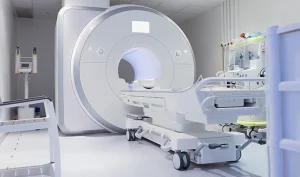
Your health insurance won’t cover it. Your doctor might not recommend it. Yet you’re searching for full-body scan costs because waiting for symptoms feels like waiting too long. The preventive health screening industry sees this pattern constantly – health-conscious individuals weighing the cost of proactive screening against the risk of delayed detection.
The reality is this: most health insurance plans treat preventive full-body scans as out-of-pocket expenses, leaving you to navigate pricing that ranges from $800 to $3,200 depending on technology, location, and provider expertise.
What You Need to Know About Full Body Scan Costs
- Price range you’ll encounter: Full-body scans typically cost $800-$3,200, with wide variations based on location, imaging technology, and provider qualifications
- Insurance reality: Most health insurance plans exclude preventive full-body scans, making them self-pay expenses
- Actual savings strategies: Package deals, promotional timing, and multi-scan bundles reduce costs by 20-40% when you know where to look
- Long-term value: Early detection of conditions like cancer or cardiovascular disease can prevent six-figure treatment costs down the line
- Additional expenses to expect: Budget for potential radiologist review fees, follow-up consultations, and subsequent testing if abnormalities appear
The frustrating truth about full-body scan pricing extends beyond the numbers. The same insurance system that will spend $150,000 treating late-stage cancer won’t pay $1,500 for the scan that could catch it early. This backwards incentive structure forces you to self-fund prevention while the system profits from treatment.
What Actually Determines Full Body Scan Pricing
Full-body scan costs work like airline pricing – the advertised number represents just the starting point. Three primary factors drive your final invoice, and understanding them shifts you from passive consumer to informed buyer.
Technology choice matters significantly. Basic CT scans range from $800-$1,200, while advanced MRI-based screening climbs to $3,000 or higher. The price difference reflects resolution quality, radiation exposure levels, and detection capabilities. CT scanning excels at identifying lung nodules and measuring coronary calcium. MRI provides superior soft tissue detail and brain imaging without radiation exposure.
Geographic location creates dramatic price variations. The same scan costing $2,500 in Manhattan might run $1,200 in Tulsa. These differences stem from real estate costs, local market competition, demand levels, and facility type. Hospital-based imaging departments carry higher overhead than standalone screening centers, directly impacting your price.
Provider expertise and accreditation affect cost. Board-certified radiologists command higher fees than general practitioners interpreting scans. Facilities with subspecialty expertise in body imaging, advanced equipment maintenance protocols, and rapid turnaround times typically charge premium rates. You’re paying for detection accuracy and interpretation quality, not just machine time.
Breaking Down What Your Money Actually Buys
A full-body scan represents far more than 45 minutes inside a machine. Understanding the cost breakdown helps justify the investment and identify where different facilities allocate resources:
- Equipment and facility operation: $200-400 covers the million-dollar imaging machines, maintenance contracts, and facility overhead
- Technologist expertise: $150-250 pays for the credentialed professional operating equipment and positioning you correctly
- Radiologist interpretation: $300-600 compensates the board-certified physician analyzing hundreds of images from your scan
- Report documentation: $100-200 covers detailed written findings, measurements, and comparison to normal ranges
- Results consultation: $150-300 funds the discussion explaining findings and recommending next steps (when included)
You’re not purchasing pictures of your insides. You’re investing in specialized expertise, advanced technology, and potentially life-saving early detection capability. The value proposition becomes clearer when framed as preventive healthcare rather than elective imaging.
Why Insurance Probably Won’t Cover Your Scan
Health insurance logic operates differently than personal health logic. Unless you present symptoms or meet narrow risk criteria, preventive full-body scans fall outside coverage. Insurance companies label these scans “medically unnecessary” until disease already exists – a paradox that forces you to get sick before they’ll help detect sickness.
Limited exceptions exist within frustratingly specific parameters:
- Documented high-risk status: Strong family history of specific cancers might qualify you for coverage of targeted screening
- Symptom-driven scanning: Reporting concerning symptoms transforms “preventive” scans into “diagnostic” ones that insurers will cover
- Age-based criteria: Some plans cover specific scans after certain ages, like lung CT for current or former smokers over 55
- Premium executive plans: High-tier employer health plans sometimes include annual preventive body scanning as a benefit
- Self-insured employers: Companies managing their own health costs may cover preventive scans recognizing long-term savings
The system essentially requires waiting until something goes wrong before helping you determine what’s wrong. Understanding this reality helps you plan financially for self-funded preventive care.
Proven Strategies to Reduce Your Scanning Costs
You control more of the pricing equation than you might realize. Years of industry observation reveal consistent patterns in how informed consumers reduce their screening expenses without sacrificing quality.
Package deals deliver the best per-scan value. Instead of paying $1,500 for standalone full-body screening, combination packages might offer heart, lung, and full-body scans for $1,800 total. That’s three scans for just 20% more than one – simple mathematics that adds up quickly.
Timing your purchase strategically matters. Preventive health facilities run promotions during predictable periods:
- January through February (New Year health resolution timing)
- September through October (end of fiscal year for many organizations)
- June through August (traditionally slower months)
- Black Friday through Cyber Monday (yes, health screening follows retail trends)
- Facility anniversary dates or grand openings
Group purchasing leverages volume discounts. Organizing 5-10 colleagues, friends, or family members for simultaneous booking often yields 15-25% savings per person. Some employers will coordinate group preventive screening events with negotiated rates.
Multi-year commitments lock in current pricing. Several screening centers offer programs where you pre-purchase future scans at today’s rates, protecting against medical inflation while committing to regular monitoring.
HSA and FSA accounts provide tax advantages. Using pre-tax healthcare dollars for qualifying preventive scans effectively discounts your cost by your marginal tax rate – typically 25-35% for most professionals.
The Hidden Costs Nobody Warns You About
What happens after your initial scan can impact your finances as much as the scan itself. These potential additional expenses catch many people unprepared:
Follow-up imaging represents the biggest surprise cost. When scans detect abnormalities requiring closer examination, you’ll need additional specialized imaging. A lung nodule found on full body CT might require dedicated chest CT with contrast ($600-1,200). Liver lesions might need MRI characterization ($1,500-2,500). The silver lining? These diagnostic follow-ups typically qualify for insurance coverage since they’re investigating specific findings rather than general screening.
Specialist consultations add another expense layer. Detected lung nodules send you to pulmonologists. Coronary calcium scores might require cardiology visits. Suspicious masses need oncology evaluation. Each specialist consultation runs $200-500 before insurance, with additional costs for any procedures they recommend.
Time costs often get overlooked. Calculate these non-monetary expenses:
- Pre-scan preparation and fasting time
- Travel to and from screening facilities
- The actual scanning appointment (30-90 minutes)
- Follow-up consultations for results discussion
- Potential additional testing appointments
- Lost work time and productivity
Emotional costs deserve consideration. Abnormal findings create anxiety during follow-up periods. False positives (findings that turn out benign) can cause stress disproportionate to actual risk. Factor this psychological dimension into your decision-making process.
Hospital Departments vs. Standalone Centers – The Cost Difference
Where you get scanned impacts both cost and experience dramatically. Hospital-based imaging departments typically charge 40-60% more than independent screening centers for identical procedures. Understanding why helps you decide which environment suits your needs.
Hospital pricing includes multiple overhead layers:
- Facility fees separate from procedure costs
- Complex billing systems with multiple line items
- Higher operational costs from 24/7 emergency department support
- Academic medical center teaching costs and research overhead
- More expensive union labor and benefit structures
Standalone preventive health centers like Craft Body Scan offer distinct advantages:
- Transparent upfront pricing: Single clear price covering all components without surprise facility fees or hidden charges
- Faster appointment availability: Schedule within days rather than waiting weeks for hospital slots
- Specialized prevention focus: Staff dedicated entirely to preventive screening rather than mixing emergency and elective cases
- Better patient experience: Facilities designed for healthy individuals seeking reassurance, not sick patients requiring treatment
- Flexible package options: Multiple scan combinations, family discounts, and customizable screening protocols
- Streamlined operations: Lower overhead translates directly to lower patient costs without sacrificing quality
The choice between hospital and standalone facility rarely affects image quality or interpretation accuracy when both use modern equipment and board-certified radiologists. Your decision should weigh cost, convenience, and personal preference for healthcare settings.
When Full Body Scans Make Financial Sense
Return on investment for health screening requires comparing upfront costs against avoided expenses from late detection. A $1,500 full-body scan seems expensive until you examine alternative scenarios.
Early-stage cancer treatment costs:
- Stage I lung cancer treatment: $40,000-$60,000
- Stage IV lung cancer treatment: $200,000-$400,000
- Five-year survival rates: Stage I (60-70%), Stage IV (less than 5%)
Cardiovascular disease expenses:
- Preventive intervention based on calcium score: $5,000-$15,000
- Emergency cardiac bypass surgery: $70,000-$150,000
- Lost income during recovery: Varies widely by profession
Hidden costs of late detection:
- Extended work disability periods
- Family caregiving burdens and opportunity costs
- Quality of life impacts during aggressive treatment
- Psychological stress on patients and families
- Potential loss of life years and experiences
For individuals over 40, particularly those with family health histories, the value equation strengthens considerably. You’re purchasing time, treatment options, and potentially additional life years – outcomes difficult to price but infinitely valuable.
Payment Options and Financial Planning Tools
Quality screening centers recognize that preventive health requires financial accessibility. Modern payment structures help make screening affordable without compromising quality:
- HSA/FSA eligibility: Most preventive scans qualify for pre-tax healthcare account spending, effectively reducing your cost by 25-35%
- Interest-free payment plans: Many facilities offer 6-12 month financing with no interest charges or credit checks
- Annual membership programs: Pay fixed yearly fees providing discounted scan rates, priority scheduling, and additional wellness benefits
- Employer group rates: Companies can negotiate volume discounts for employee preventive screening programs
- Couples and family packages: Significant per-person savings when booking multiple family members simultaneously
- Loyalty programs: Return customers often receive reduced rates on subsequent scans
- Medical credit cards: Healthcare-specific credit products offering promotional financing for qualified applicants
Essential Questions Before You Book Your Scan
Armed with cost knowledge, your next step involves thorough facility vetting. Ask these specific questions before committing your money:
What exactly does your quoted price include? Some centers bundle radiologist review and consultation into the base price. Others charge separately for interpretation, written reports, and results discussion. Know precisely what you’re purchasing.
What imaging technology and equipment age do you use? Newer machines often mean better image quality, lower radiation exposure (for CT), and faster scan times. Equipment vintage matters for detection accuracy. Ask for specific model information.
Who interprets the scans and what are their qualifications? Board-certified radiologists with subspecialty training in body imaging should review all images. Some budget facilities use less qualified readers or outsource internationally. Verify credentials before scanning.
What is your turnaround time for results? Waiting weeks for results defeats the purpose of proactive screening. Look for facilities promising 48-72 hour report delivery with clear communication protocols.
What happens if you find something abnormal? Understand the follow-up pathway before scanning. Do they help coordinate additional testing? Provide specialist referrals? Offer guidance on next steps? Or simply hand you a report leaving you to figure out the rest?
Do you offer any price matching or promotional discounts? Many facilities will match competitor pricing or apply promotional rates if you simply ask. Don’t assume the advertised price is fixed.
What is your cancellation and rescheduling policy? Life happens. Understand any fees or restrictions on changing appointments before paying deposits.
Making the Investment in Your Health
Full-body scan costs reflect a healthcare system prioritizing treatment over prevention. Insurance companies profit when you delay screening until symptoms require expensive interventions. You don’t have to accept this backwards incentive structure.
Understanding pricing factors, exploring payment options, and selecting the right provider puts potentially life-saving screening within financial reach. The calculation extends beyond dollars to include peace of mind, early detection capabilities, and avoided treatment costs that dwarf preventive screening expenses.
The question isn’t whether you can afford a full-body scan. The real question is whether you can afford to wait until symptoms force diagnosis – when treatment options narrow, costs multiply, and survival odds decrease. Early detection doesn’t just save lives. It saves money, time, and suffering.
Craft Body Scan offers transparent pricing, modern imaging technology, and board-certified radiologist review with clear consultation explaining your results. Their package options and flexible payment plans make preventive screening accessible without sacrificing quality. Schedule during promotional periods to maximize value.
Take control of your health with preventive screening that catches conditions while they’re still treatable. The most expensive scan is the one you postpone until it’s too late.
Schedule your Craft Body Scan today and invest in early detection that could save your life.