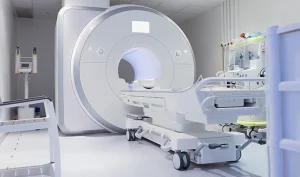
Preventive health screening has evolved beyond the single-scan approach. Today’s bundled packages combine multiple imaging tests into strategic combinations that save both money and lives. The difference between purchasing scans individually versus choosing a package can mean 20-40% cost savings – but more importantly, it can mean catching interconnected conditions that isolated screening might miss.
The data shows a clear pattern: bundled packages increase screening completion rates, reduce time spent in medical facilities, and provide more actionable health insights than piecemeal approaches. When you screen multiple organ systems together, patterns emerge that single scans simply cannot reveal.
What You Need to Know About Early Detection Packages
- Significant cost savings: Bundled packages deliver 20-40% savings compared to purchasing individual scans separately.
- Better health insights: Multi-scan packages detect interconnected conditions that single screenings might miss entirely.
- Time you’ll actually save: Complete multiple screenings in one visit instead of scheduling separate appointments over weeks or months.
- Most valuable combinations: Heart & Lung packages, Full Body screening options, and Executive Health bundles consistently provide the best return on investment.
- Personalization matters: Leading screening centers let you modify packages based on your specific risk factors and family history.
The shift toward preventive health packages reflects something important: we’ve started thinking about our bodies as interconnected systems rather than isolated parts. You wouldn’t secure just the front door of your house and ignore the windows. Why approach your health differently?
Why Bundled Screening Packages Actually Work
Think about the last time you bought something in bulk. You saved money, yes, but you also saved time and mental energy by making one decision instead of several. Health screening packages work on similar principles, with one crucial difference: the savings can literally save your life.
When I review patient outcomes, the data tells a clear story. People who choose package deals over individual scans are:
- More likely to complete all recommended screenings.
- Less likely to delay follow-up testing.
- Better informed about their overall health status.
- More proactive about addressing findings.
Let me break down the math that matters:
- Heart scan purchased alone: $400
- Lung scan purchased alone: $350
- Full body scan purchased alone: $1,500
- Total if you schedule separately: $2,250
- Same scans in a bundled package: $1,495
- Money you keep: $755 (that’s 33% savings)
But here’s what the numbers don’t show: comprehensive screening reveals patterns that single scans miss. Coronary calcium might prompt your radiologist to examine lung tissue more carefully. A full body scan might detect vascular issues affecting multiple organ systems. These connections matter when we’re talking about early detection.
The Three Package Types Everyone Should Consider
After reviewing hundreds of screening center offerings across the country, three package combinations stand out for their value and effectiveness. Each serves a different need, but all share one thing: they work.
Heart & Lung Combination Packages
This pairing makes medical sense. Your cardiovascular and respiratory systems work together every moment of every day. Screening them together provides insight into how well your body’s two most vital organs are functioning.
What’s typically included:
- Coronary calcium scoring CT to assess heart disease risk.
- Low-dose lung CT for early cancer detection.
- Cardiovascular risk assessment based on imaging results.
- Board-certified radiologist review of all images.
- Consultation explaining your results in clear language.
Price range you’ll see: $199-$450 depending on location and facility.
Who benefits most: Anyone over 45, particularly if you have smoking history, family heart disease, high blood pressure, or high cholesterol. You’re screening for the two leading causes of death in America in a single appointment.
I’ve seen this package catch early-stage conditions in patients who felt perfectly healthy. One patient’s calcium score revealed significant blockage that led to intervention before a heart attack. Another’s lung scan detected a small nodule that turned out to be early-stage cancer – completely treatable because we found it early.
Full Body Screening Packages
These go beyond targeting specific organs to provide a comprehensive health snapshot from head to pelvis. Think of it as a complete inventory of your current health status.
What’s typically included:
- Full body CT or MRI scanning major organ systems.
- Dedicated brain imaging for aneurysm and stroke risk.
- Vascular screening of major blood vessels.
- Bone density testing for osteoporosis risk.
- Detailed consultation about all findings.
Price range you’ll see: $1,495-$2,500 depending on technology used.
Who benefits most: Health-focused individuals wanting maximum coverage without multiple appointments. Particularly valuable if you have family histories of various cancers, autoimmune conditions, or vascular disease.
The beauty of full body packages is their thoroughness. You’re not guessing which organ system needs attention – you’re checking everything systematically. Some patients view this as their annual “total body checkup” that complements traditional healthcare.
Executive Health Packages
These represent the premium tier of preventive screening. They’re called “executive” packages because they’re designed for people who understand that time is valuable and want the most detailed health assessment available.
What’s typically included:
- Both full body MRI and CT imaging for complete coverage.
- Advanced cardiac imaging including stress testing or cardiac MRI.
- Complete blood panel analyzing 50+ health markers.
- Extended physician consultation (typically 45-60 minutes).
- Genetic risk assessment for hereditary conditions.
- Personalized health report with specific recommendations.
Price range you’ll see: $3,500-$7,500 depending on comprehensiveness.
Who benefits most: Executives, business owners, and high-performers who want detailed baseline health data and proactive risk management. Also valuable for those with strong family histories of serious disease.
Specialized Packages for Specific Health Concerns
Beyond standard offerings, innovative screening centers create targeted packages addressing specific demographics and concerns. These specialized options recognize that your health needs are unique.
Women’s Health Packages combine screening relevant to female-specific concerns:
- Breast imaging (alternatives to traditional mammography).
- Pelvic and reproductive organ imaging.
- Bone density testing (women face higher osteoporosis risk).
- Thyroid screening (thyroid conditions affect women disproportionately).
Cancer Survivor Packages provide intensive surveillance for those in remission:
- Focused imaging of previous cancer sites.
- Screening of areas with metastasis risk.
- More frequent monitoring intervals.
- Tumor marker blood testing.
Athlete Performance Packages address the unique needs of active individuals:
- Joint and soft tissue imaging for injury prevention.
- Cardiac assessment for performance and safety.
- Bone density and body composition analysis.
- Vascular health screening.
Diabetes Prevention Packages target those at risk for metabolic disease:
- Vascular assessment for circulation problems.
- Kidney function imaging.
- Eye health screening for diabetic changes.
- Body composition analysis.
Brain Health Packages focus on cognitive and neurological wellness:
- Baseline brain imaging for future comparison.
- Aneurysm and malformation screening.
- Stroke risk assessment including carotid arteries.
- Sinus and inner ear imaging.
Understanding What Your Package Actually Includes
Package descriptions can blur together in marketing language. Let me explain what key components actually provide so you can make informed choices.
CT versus MRI technology: Packages offering both technologies give you complementary information. CT excels at detecting lung nodules, measuring coronary calcium, and evaluating bone structure. MRI provides superior detail for soft tissue, brain structures, joints, and certain organ systems. Getting both means catching what either technology alone might miss.
Contrast versus non-contrast imaging: Some packages include contrast dye injected during scanning for better blood vessel and organ visualization. While this adds cost and slight risk, contrast can significantly improve detection rates for vascular abnormalities, tumors, and inflammation. Ask whether your specific concerns warrant contrast-enhanced imaging.
Different levels of radiologist review: Basic packages include standard radiologist interpretation of your images. Premium packages might offer subspecialist review – a neuroradiologist for brain scans, cardiac radiologist for heart imaging, body imaging specialist for abdominal findings. This deeper expertise often catches subtle abnormalities that general radiologists might classify as insignificant.
Consultation services matter: Entry-level packages typically provide written reports only, leaving you to interpret medical terminology and imaging findings alone. More complete packages include face-to-face or video consultation where a physician explains findings, answers questions, and recommends specific next steps. This consultation is often the most valuable component, turning raw data into actionable health guidance.
Smart Financial Strategies for Package Purchases
Making comprehensive packages affordable requires planning. Here’s how savvy patients maximize value:
- Use pre-tax healthcare accounts: FSA and HSA funds make perfect sense for preventive packages. Time your purchase with account funding to use pre-tax dollars, effectively giving yourself a 25-35% discount depending on your tax bracket.
- Organize group purchases: Some employers and community groups arrange screening events with volume discounts. Gathering 5-10 people can reduce per-person costs by 15-20%. Your HR department or community health organization might coordinate this.
- Take advantage of payment plans: Many quality screening centers offer 6-12 month interest-free financing for packages over $1,000. This transforms a $2,000 package into manageable monthly payments of $165-$330.
- Consider annual memberships: Some facilities offer membership programs providing package discounts, priority scheduling, and reduced rates on additional services. If you plan regular screening, annual membership often pays for itself.
- Watch for promotional timing: Black Friday, New Year health resolutions, and facility anniversaries typically feature the year’s best package pricing. Sign up for email lists to catch these opportunities.
Think about the lifetime value differently. A $2,000 package every two years costs $83 monthly – less than many spend on streaming services or gym memberships they rarely use. Yet this investment could detect life-threatening conditions years before symptoms appear.
Customizing Your Package to Match Your Risk Profile
Standard packages serve as starting points, not final answers. Quality screening centers let you modify packages based on your specific needs and concerns.
Family history of colon cancer? Add virtual colonoscopy to a basic package. Concerned about stroke risk due to high blood pressure? Include carotid ultrasound imaging. Previous scan showed something requiring monitoring? Focus more intensive screening on that specific area.
The key is communicating openly during booking. Many centers offer pre-screening consultations – often complimentary – to design your optimal package. This conversation allows you to:
- Share your complete family health history.
- Discuss specific symptoms or concerns.
- Review previous screening results.
- Understand which tests provide most value for your situation.
- Adjust the package before purchasing.
This customization means you’re not paying for unnecessary scans while ensuring you don’t miss important ones. It’s personalized medicine at its best.
Red Flags to Watch When Comparing Packages
Not all screening packages deliver equal value. Watch for these warning signs that should make you look elsewhere:
- Outdated imaging equipment: Some centers offer suspiciously low prices because they’re using older CT or MRI machines. These older systems might miss smaller abnormalities that modern equipment detects easily. Ask about equipment age and specifications before booking.
- Hidden fees after purchase: Quality packages include radiologist interpretation, detailed reports, and basic consultation in the quoted price. Watch for facilities that advertise low package prices then add fees for report copies, radiologist reading, or physician consultation.
- Unnecessary test redundancy: Some packages include overlapping scans providing minimal additional value. For example, both CT and MRI of the same organ system when one would suffice, or multiple cardiac tests that measure essentially the same things.
- No follow-up pathway: Packages without included consultation leave you alone with complex medical reports full of terminology you don’t understand. Quality packages include someone explaining your results and recommending next steps if needed.
- Inflexible scheduling: Some facilities require completing all package scans in one marathon session. While efficient, this rush can compromise image quality and your comfort. Better centers let you split scans across days if needed.
Getting Maximum Value Through Proper Preparation
Your screening package investment yields best returns when you prepare properly. Here’s how to make your scans as valuable as possible:
Before you book:
- Compile your complete family health history going back two generations.
- Gather any previous scan results or medical imaging reports.
- Write down specific health concerns or symptoms you’ve noticed.
- Note any medications or supplements you currently take.
- Research your insurance coverage for follow-up if scans detect issues.
Before your appointment:
- Follow all preparation instructions exactly as written.
- Avoid caffeine before cardiac scanning if instructed.
- Wear comfortable, metal-free clothing.
- Bring previous imaging on disc or USB if you have it.
- Arrive well-rested and hydrated.
During your scans:
- Communicate any physical limitations to the technologist.
- Mention claustrophobia before MRI scanning begins.
- Stay as still as possible during image acquisition.
- Ask questions if you’re confused about instructions.
- Request approximate timing for results.
After scanning:
- Schedule your follow-up consultation promptly.
- Request copies of all images and reports for your records.
- Prepare questions for your consultation in advance.
- Share results with your primary care physician.
- Follow through immediately on any recommended additional testing.
Building a Long-Term Screening Strategy
Smart patients think beyond single purchases toward long-term screening strategies. This systematic approach transforms episodic scanning into proactive health monitoring.
Some screening centers offer innovative long-term options:
- Lifetime screening programs lock in current rates, protecting you against medical inflation. You pay today’s price for tomorrow’s scans, potentially saving thousands over decades.
- Multi-year packages provide scans at predetermined intervals (annual, biennial, or customized) with significant discounts. You commit to regular monitoring and receive reduced per-scan costs.
- Family packages allow transferable scans among family members. Purchase a multi-scan package and allocate individual scans based on each family member’s needs and risk factors.
- Subscription models work like monthly memberships, providing regular screening, priority scheduling, and discounted additional services for a fixed monthly fee.
These long-term approaches make preventive screening systematic rather than sporadic. Many patients find this removes the decision fatigue of whether to schedule screening each year – it simply becomes part of their regular health maintenance.
What Sets Quality Package Providers Apart
The preventive screening market has expanded rapidly, creating wide variation in quality and value. Here’s what distinguishes excellent providers from mediocre ones:
- Transparent pricing structure: The best providers list complete package prices including all components. No surprise fees, no hidden costs, no pressure to add expensive upgrades you don’t need.
- Current imaging technology: Top facilities invest regularly in modern equipment. Ask about machine age and specifications. Equipment from the last 3-5 years provides significantly better image quality.
- Board-certified radiologist review: Every scan should be read by a board-certified radiologist with relevant subspecialty training. This expertise separates meaningful findings from normal variations.
- Clear communication: Quality providers explain findings in language you understand, not medical jargon. They answer questions patiently and provide written summaries of key points.
- True customization options: The best centers work with you to design packages matching your specific risk factors, concerns, and budget rather than pushing one-size-fits-all solutions.
- Established follow-up protocols: If your scans detect abnormalities, excellent facilities have clear pathways for additional testing or specialist referrals. You’re not left figuring out next steps alone.
Craft Body Scan exemplifies these quality standards across their multiple locations. Their package offerings include transparent pricing, state-of-the-art imaging technology, and board-certified radiologist review for every scan. More importantly, they customize packages based on your individual risk factors and provide clear consultation explaining findings in plain language you can actually understand.
Making Your Package Decision
Choosing the right early detection package requires balancing several factors: your current health status, family history, specific concerns, budget, and long-term screening goals. Here’s a framework for deciding:
- If you’re generally healthy with minimal family history: Start with a Heart & Lung package. This covers the two leading causes of death with modest investment. Repeat every 2-3 years.
- If you have strong family history of various conditions: Consider a full body package providing comprehensive baseline data. This establishes your normal patterns and detects hereditary conditions early. Repeat every 1-2 years with focused follow-up on any findings.
- If you’re over 50 with multiple risk factors: Executive health packages provide the detailed assessment warranted by higher risk profiles. Annual or biennial screening makes sense given increased disease probability.
- If you’re monitoring a specific previous finding: Work with your screening center to design a focused package emphasizing the area of concern while maintaining basic screening of other systems.
- If budget is your primary constraint: Start with the most affordable package addressing your biggest concern. You can add services or upgrade packages based on initial findings and as finances allow.
Remember that doing something is always better than doing nothing. Waiting for the “perfect” package or “right” time means conditions develop undetected. Start where you can and build from there.
Taking Control of Your Health Through Strategic Screening
Early detection packages represent more than bundled medical services. They’re strategic investments recognizing that your body functions as an interconnected system, not isolated parts. By combining multiple screenings, these packages provide health snapshots that single scans simply cannot match.
The numbers speak clearly: bundled packages save money compared to individual scans. The medical evidence speaks even louder: comprehensive screening detects conditions earlier when treatment is most effective. But none of this matters without your decision to act.
You’ve read the information. You understand the value. You know your risk factors and concerns. Now what?
Schedule your screening package today – not someday, not next month, not when life gets less busy. Today. Whether you choose a straightforward heart and lung combination or invest in executive-level screening, you’re taking control of your health future right now.
The package you select matters less than the decision to start. You can always upgrade services, add follow-up scans, or adjust your approach based on findings. But you cannot detect conditions early if you never get screened.
Craft Body Scan offers multiple package options customized to your specific needs and risk factors. Their team works with you to design the screening approach making sense for your situation, budget, and health goals. Most importantly, they explain every finding in clear language and guide you through any necessary next steps.
Don’t let analysis paralysis prevent action. Don’t wait for symptoms to appear. Don’t assume you’re too young or too healthy to need screening. Early detection works specifically because it finds conditions before you feel sick.
Your future self – five years, ten years, twenty years from now – will thank you for this decision. For the money saved through bundled pricing. For the time saved through efficient scheduling. And most critically, for the conditions caught while still easily treatable.
Take control of your health with Craft Body Scan’s early detection services. Schedule your package today.