In the age of wearables, personalized nutrition, and advanced medical diagnostics, a growing movement is asking: What if I could take control of my biology the way I manage my finances or career? That’s the promise of biohacking – a science-backed approach to optimizing health, extending lifespan, and maximizing your body’s potential.
Whether you’re tracking sleep patterns with an Oura Ring, timing your meals for metabolic benefits, or using advanced body scans to detect health issues years before symptoms appear, biohacking puts you in the driver’s seat of your own health journey.
In this guide, we’ll explore what biohacking actually means, break down proven strategies by evidence level and cost, and reveal why diagnostic imaging represents the next frontier in personal health optimization.
What Is Biohacking? The Complete Definition

Biohacking is the practice of using science, data, and self-experimentation to optimize your physical and mental performance. Think of it as “do-it-yourself biology” – applying the scientific method to your own body to achieve measurable improvements in health, longevity, and quality of life.
Unlike traditional medicine, which typically waits for problems to develop before intervening, biohacking takes a proactive approach. You gather data about your current state, make targeted changes, measure the results, and adjust accordingly. The goal isn’t just to treat illness – it’s to optimize wellness.
The term gained mainstream attention in Silicon Valley, where tech entrepreneurs applied engineering principles to human biology. But you don’t need a laboratory or computer science degree to be a biohacker. Anyone tracking their sleep, adjusting their diet based on how they feel, or getting preventive health screenings is practicing a form of biohacking.
The Core Principles of Biohacking
What separates biohacking from general wellness advice? Three key principles:
- Measurement: Track specific metrics before and after interventions. You can’t optimize what you don’t measure.
- Personalization: What works for others may not work for you. Biohacking emphasizes individual experimentation over one-size-fits-all recommendations.
- Evidence-Based Action: While biohackers embrace experimentation, the most effective approaches combine cutting-edge science with established medical knowledge.
Three Main Categories of Biohacking
Biohacking encompasses a wide spectrum of interventions, from simple lifestyle adjustments to advanced medical procedures. Understanding these categories helps you choose approaches that match your goals, budget, and risk tolerance.
1. Nutritional Biohacking: Fueling Your Biology
This category focuses on what you consume and when you consume it. Approaches include intermittent fasting (typically 16:8 or 18:6 eating windows), ketogenic or low-carb diets for metabolic flexibility, elimination diets to identify food sensitivities, targeted supplementation based on blood work, and nutrigenomics – personalizing nutrition based on genetic testing.
The appeal? Many nutritional biohacks cost little or nothing to implement, and results often appear within weeks. The challenge is that nutrition is highly individual – what optimizes one person’s performance may not work for another.
2. Technological Biohacking: Data-Driven Optimization
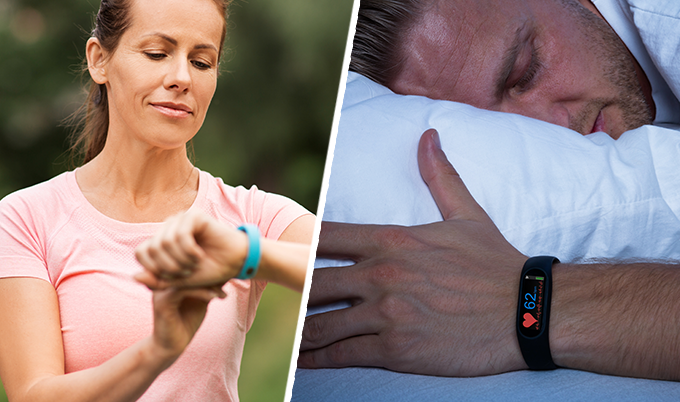
This is where quantified self-movement meets medical technology. Tools include wearable devices (Oura Ring, WHOOP, Apple Watch) tracking sleep, heart rate variability, and recovery; continuous glucose monitors showing real-time blood sugar responses; fitness trackers measuring activity and exertion; and advanced diagnostic imaging – including full-body scans that reveal internal health status.
The most serious biohackers understand that external tracking devices only capture surface-level data. Wearables tell you about your heart rate, but they can’t detect arterial plaque. Sleep trackers measure sleep duration, but they miss organ abnormalities developing silently. That’s why advanced diagnostics represent the next evolution in biohacking technology.
3. Experimental Biohacking: Pushing the Boundaries
This category includes more intensive interventions like cold exposure (ice baths, cryotherapy chambers), infrared sauna and heat therapy, red light therapy for cellular health, nootropics and cognitive enhancers, peptide therapy under medical supervision, and targeted hormone optimization.
These approaches often lack extensive long-term research but show promise in emerging studies. If you explore experimental biohacking, work with qualified healthcare providers and approach with appropriate caution.
Biohacking Methods Compared: Evidence, Cost & Safety
Not all biohacks are created equal. This comparison table helps you evaluate different approaches based on scientific evidence, investment required, and safety considerations. No other resource provides this side-by-side analysis.
| Method | Evidence Level | Cost Range | Time Investment | Safety Considerations |
|---|---|---|---|---|
| Intermittent Fasting | High – extensive research | Free | Daily practice | Consult doctor if diabetic, pregnant, or history of eating disorders |
| Sleep Optimization | Very High – foundational | $0-200 (blackout curtains, supplements) | 7-9 hours nightly | Generally safe for all populations |
| Full-Body CT Scan | High – proven early detection | $500-2,500 annually | 30 minutes per year | Low-dose radiation, non-invasive |
| Wearable Devices | Moderate – useful trends | $100-500 device + subscription | Continuous passive tracking | Safe; risk of data obsession |
| Cold Exposure | Moderate – growing evidence | Free-$200/month | 10-20 minutes daily | Build gradually; avoid if cardiovascular issues |
| Targeted Supplements | Variable by supplement | $30-300/month | Daily intake | Quality varies; check interactions with medications |
| Continuous Glucose Monitor | High for metabolic insights | ~$100-150/month | Continuous monitoring | Generally safe; minor skin irritation possible |
| Infrared Sauna | Moderate – promising studies | $100-400/month membership | 20-30 minutes 3-5x/week | Stay hydrated; avoid if pregnant or heat-sensitive |
| Nootropics | Variable – compound-dependent | $30-200/month | Daily intake | Quality concerns; start with well-researched options |
| Red Light Therapy | Moderate – growing research | $200-800 device or $50-100/month | 10-20 minutes daily | Generally safe; avoid direct eye exposure |
Why Advanced Diagnostics Are the Ultimate Biohack
Here’s what the biohacking community hasn’t fully realized yet: the most advanced optimization starts with knowing what’s actually happening inside your body – not just on its surface.
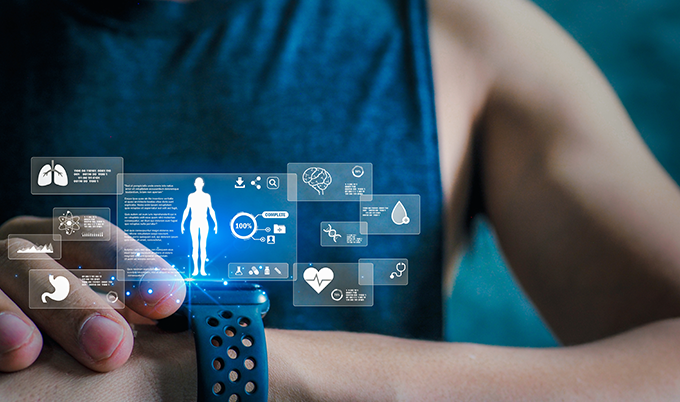
Wearables track your external metrics. A WHOOP strap monitors heart rate variability. An Oura Ring measures sleep stages. A continuous glucose monitor shows blood sugar spikes. All valuable data. But none of these devices can detect the silent threats developing inside – the arterial plaque building in your coronary arteries, the small nodule forming in your lung, the visceral fat accumulating around your organs, or the early-stage tumor that won’t cause symptoms for years.
That’s where diagnostic imaging becomes the foundation of serious biohacking.
The Data You Can’t Get from Wearables
Advanced imaging provides visibility into critical health markers that external devices simply cannot measure. Comprehensive body scans reveal coronary artery calcium scores (the most accurate predictor of future heart disease), lung nodules that may indicate early-stage cancer, liver and kidney function through organ imaging, visceral fat distribution (far more dangerous than subcutaneous fat), bone density and structural abnormalities, and early detection of tumors, aneurysms, and other abnormalities.
Consider this: according to the American Heart Association, 50% of sudden cardiac deaths occur in people with no prior symptoms. The first “symptom” is often fatal. A coronary calcium scan reveals this risk years in advance, when lifestyle changes and medical interventions can prevent tragedy.
Establishing Your Biological Baseline
The most sophisticated biohackers understand that optimization requires a baseline. How do you know if your intermittent fasting protocol is reducing visceral fat without imaging to measure it? How do you assess whether your anti-inflammatory diet is actually reducing arterial inflammation without a calcium score?
Getting a comprehensive body scan in your 30s or 40s – when you’re healthy – creates a reference point for tracking changes over time. Annual or biannual follow-up scans show whether your biohacking interventions are working at the cellular and organ level, not just improving how you feel.
Early Detection Is the Ultimate Longevity Strategy
The longevity research is clear: catching diseases early dramatically improves survival rates. Stage 1 lung cancer has a 60% survival rate. Stage 4? Just 6%. Early-stage breast cancer has a 99% five-year survival rate. Late-stage drops to 29%. The pattern holds across virtually all cancers and chronic diseases.
Biohacking isn’t just about optimizing performance today – it’s about extending your healthspan by decades. And there’s no more powerful tool for longevity than detecting problems when they’re still treatable.
Key Biomarkers Every Biohacker Should Track
Serious biohacking requires measuring the right markers. Here’s what actually matters for longevity and health optimization.
Cardiovascular Health
Measures calcified plaque in heart arteries. Score of 0 is ideal; above 100 indicates elevated risk requiring intervention.
Goes beyond basic cholesterol to measure LDL particle number and size, triglycerides, and HDL function.
Inflammation marker. Levels below 1.0 mg/L indicate low cardiovascular risk.
Elevated levels (above 10 µmol/L) indicate increased cardiovascular and cognitive risk.
Metabolic Health
Fasting glucose should be 70-85 mg/dL for optimal metabolic health. HbA1c below 5.4% is ideal.
Under 5 µIU/mL indicates good insulin sensitivity.
Body scans provide accurate visceral fat volume. High levels predict metabolic disease regardless of external appearance.
Organ Health
Elevated levels may indicate fatty liver disease, common even in non-drinkers.
Early detection of kidney decline allows intervention before permanent damage.
Thyroid function affects metabolism, energy, weight, and cognition.
Longevity & Cellular Health
Optimal range is 50-70 ng/mL for immune function and disease prevention.
Measures EPA and DHA in red blood cell membranes. Target above 8% for cardiovascular protection.
Too high may accelerate aging; too low impairs tissue repair. Optimal range depends on age.
While blood work provides these valuable markers, imaging adds the critical visual component – revealing what’s happening in your organs, arteries, bones, and tissues. The most comprehensive biohacking strategy combines both.
Your 90-Day Biohacking Starter Protocol
Most biohacking content tells you what to do but not how to start. This structured 90-day protocol provides a roadmap that no other resource offers.
Phase 1
Establish Your Baseline (Days 1-30)
- Schedule comprehensive blood work (include metabolic panel, lipids, inflammation markers, thyroid, vitamin D)
- Book a baseline full-body scan or targeted screening based on age and risk factors
- Begin tracking sleep with a wearable device or app
- Log current diet for 7 days without changes (understand your starting point)
- Assess current fitness level (resting heart rate, basic strength and flexibility tests)
- Review all test results with a healthcare provider
- Identify your top 3 health priorities based on data (e.g., insulin resistance, poor sleep, elevated inflammation)
- Research evidence-based interventions for your specific priorities
- Create a simple tracking system for the metrics that matter most to you
Phase 2
Implement Foundation Habits (Days 31-60)
- Establish consistent sleep/wake times (within 30 minutes daily)
- Remove screens 1 hour before bed
- Keep bedroom cool (65-68°F) and completely dark
- Consider magnesium glycinate supplement 1-2 hours before bed
- Eliminate or dramatically reduce added sugars and processed foods
- Increase protein intake to 0.7-1.0g per pound of ideal body weight
- Add 5-7 servings of vegetables daily
- Experiment with 12-16 hour overnight fast (e.g., finish dinner by 7pm, eat breakfast at 7-11am)
- Resistance training 2-3x per week (even bodyweight exercises count)
- Daily walking (minimum 7,000 steps, target 10,000)
- Weekly VO2 max training (one 20-30 minute higher-intensity session)
Phase 3
Evaluate and Optimize (Days 61-90)
- Compare current sleep metrics to baseline (total sleep, deep sleep %, REM %)
- Measure weight, body composition, energy levels, and subjective wellbeing
- Note any improvements in initial health concerns
- Consider repeat blood work on key markers (especially if baseline showed issues)
Based on your progress, add one targeted biohack at a time:
- If sleep remains an issue: Try red light therapy or reconsider evening routine
- If metabolic markers need improvement: Consider continuous glucose monitor to identify trigger foods
- If inflammation remains elevated: Add omega-3 supplementation (2-3g EPA/DHA daily)
- If cardiovascular markers are concerning: Schedule follow-up with cardiologist and consider more intensive dietary changes
- Schedule your next preventive body scan (typically 12 months from baseline)
- Identify which habits you’ll maintain long-term vs. short-term experiments
- Set specific, measurable goals for the next 90 days

Biohacking Priorities by Age: 30s, 40s, 50s, 60s+
Your biohacking strategy should evolve as you age. Here’s what matters most at each decade – guidance no competitor provides.
Build the Foundation
Priority Focus: Establish health habits and baseline metrics while your body is still resilient.
- Get your baseline body scan: Establish reference point before age-related changes begin
- Master sleep and stress management: These foundations affect everything else
- Build muscle mass: Peak muscle-building capacity is now; it gets harder every decade
- Establish movement patterns: Regular exercise becomes harder to start later
- Track key biomarkers: Know your metabolic health, inflammation levels, and cardiovascular markers
Most Valuable Biohacks: Quality sleep, resistance training, baseline health screening, and foundational nutrition.
Prevent Decline
Priority Focus: This is when chronic diseases begin developing silently. Prevention is critical.
- Annual or biannual body scans: Early detection of heart disease and cancer becomes crucial
- Metabolic health monitoring: Insulin resistance often emerges in this decade
- Hormone assessment: Perimenopause (women) and declining testosterone (men) affect metabolism, energy, and body composition
- Protect muscle mass: Sarcopenia (muscle loss) accelerates if you’re not actively preventing it
- Cardiovascular focus: Arterial plaque accumulation begins; heart and lung screening provides critical data
Most Valuable Biohacks: Comprehensive health screening, strength training, metabolic monitoring (CGM if needed), and sleep optimization.
Detect and Intervene Early
Priority Focus: Many cancers and chronic diseases become symptomatic in this decade. Early detection saves lives.
- Aggressive screening strategy: Annual full-body scans, colonoscopy, mammography, prostate screening
- Bone density monitoring: Osteoporosis prevention becomes critical, especially for women
- Cognitive health focus: Early signs of cognitive decline may be detectable; brain health strategies matter
- Maintain muscle and mobility: Prevents falls and maintains independence
- Cardiovascular protection: Heart disease is the leading cause of death; know your calcium score
Most Valuable Biohacks: Annual comprehensive screening, resistance training, balance exercises, and targeted supplementation based on deficiencies.
Preserve Function and Independence
Priority Focus: Maintain quality of life, independence, and cognitive function.
- Continue aggressive screening: Cancer detection remains crucial; benefits outweigh radiation concerns
- Fall prevention: Balance training, strength maintenance, home safety modifications
- Cognitive protection: Social engagement, mental stimulation, cardiovascular health
- Medication management: Review prescriptions regularly; drug interactions increase with age
- Functional fitness: Focus on activities of daily living – can you get up from the floor, carry groceries, climb stairs?
Most Valuable Biohacks: Regular medical screening, strength and balance training, social connection, and working with healthcare providers who understand preventive medicine.
Safety Considerations and Medical Guidance
Biohacking emphasizes self-experimentation, but that doesn’t mean reckless behavior. Here’s how to optimize safely.
When to Consult a Healthcare Provider
You should work with a qualified healthcare professional before starting biohacking interventions if you have diabetes or blood sugar issues, cardiovascular disease or high blood pressure, are pregnant or breastfeeding, take prescription medications regularly, have a history of eating disorders, are immunocompromised, or have chronic kidney or liver disease.
Even if you’re healthy, consider consulting with a functional medicine doctor or preventive medicine specialist who understands optimization – not just disease treatment. They can interpret your biomarkers, guide safe supplementation, and monitor your progress.
Specific Population Warnings
Intermittent Fasting
Not appropriate for pregnant or breastfeeding women, individuals with history of eating disorders, people with type 1 diabetes, children and adolescents still growing, or elderly individuals at risk of malnutrition.
Cold Exposure
Avoid if you have cardiovascular disease, Raynaud’s syndrome, cold urticaria (cold allergy), or uncontrolled high blood pressure. Always start gradually.
Intense Exercise
Get medical clearance if over 40 with risk factors, have chest pain or shortness of breath, have joint problems, or are significantly overweight.
Supplement Stacks
Some supplements interact with medications. Always disclose supplement use to your healthcare provider, especially before surgery.
Signs You’re Biohacking Too Hard
Watch for these warning signs that indicate you need to pull back:
- Worsening sleep despite optimization attempts
- Persistent fatigue or declining energy
- Increased anxiety or obsessive thoughts about health metrics
- Social isolation to maintain protocols
- Irregular menstrual cycles (women) or declining libido
- Frequent illness or poor immune function
- Digestive issues from aggressive dietary changes
Remember: optimization should improve quality of life, not reduce it. If your biohacking creates stress or impairs your ability to enjoy life, reassess your approach.
Ready to Biohack Your Way to Better Health?
What is biohacking? It’s taking control of your biology through measurement, personalization, and evidence-based action. It’s about being proactive instead of reactive – optimizing health before problems develop rather than treating disease after symptoms appear.
The most sophisticated biohackers understand that true optimization requires looking beyond surface metrics. Wearables provide valuable data about your daily patterns, but they can’t reveal what’s happening in your cardiovascular system, organs, or tissues. That’s why advanced diagnostic imaging represents the next frontier in personal health optimization.
Take Control of Your Health with Advanced Diagnostics
At Craft Body Scan, we’ve made preventive screening accessible to anyone serious about longevity. Our comprehensive body scans provide the internal health data that wearables simply cannot capture – from coronary calcium scores that predict heart disease risk to early detection of cancers when they’re most treatable.
The best time to establish your biological baseline was five years ago. The second best time is today.
Take the Next Step in Your Biohacking Journey
Explore our comprehensive scan options, find a location near you, or call us to discuss which screening is right for your biohacking goals. Our team is here to help you gain the insights you need to optimize your health and extend your healthspan.