Lung CT scan accuracy is something a lot of people wonder about – and rightly so. If you’re weighing whether a low-dose CT lung cancer screening is worth your time and money, the last thing you want is a vague answer. So here it is, directly: low-dose CT (LDCT) is currently the most accurate non-invasive tool available for early lung cancer detection. Studies show it reduces lung cancer mortality by up to 20% compared to no screening – and when cancer is caught early, survival rates improve dramatically.
That said, accuracy isn’t a single number. It depends on the technology used, the radiologist reading the scan, and where you are in your own health history. This article breaks down what the research actually says, what the numbers mean for you, and why the difference between early and late detection isn’t just statistical – it’s the difference between treatment options and survival.
What Does Lung CT Scan Accuracy Actually Measure?
When people ask how accurate lung cancer screening is, they’re usually asking an incomplete question. Accuracy in medical imaging combines two separate measurements that work together.
There are two numbers that matter most here:
- Sensitivity – the scan’s ability to detect cancer when it’s actually present. High sensitivity means fewer missed cancers.
- Specificity – the scan’s ability to correctly rule out cancer when it isn’t there. High specificity means fewer false alarms.
Low-dose CT for lung cancer screening has a sensitivity rate of approximately 93-94%, based on data from the National Lung Screening Trial (NLST). That means the vast majority of lung cancers present at the time of screening are detected. Specificity sits lower – around 73-77% – which means some benign nodules get flagged for follow-up.
This sounds alarming until you understand what follows: most flagged findings are monitored with additional imaging rather than treated immediately, and the overwhelming majority turn out to be nothing serious.
The trade-off is intentional. In early cancer detection, missing a real cancer is far more dangerous than investigating a false positive. Board-certified radiologists who specialize in chest imaging understand this balance and apply it carefully when reading your results.
The Statistic That Changes Everything: Early vs. Late Detection
Here’s what the data shows – and why it matters more than almost any other number in this conversation.
Only about 43% of lung cancers are diagnosed at an early stage when caught through proactive screening. That number shifts the entire treatment picture. When lung cancer is found at Stage I or II – localized, before it has spread to lymph nodes or other organs – five-year survival rates climb above 60%.
When it’s caught at Stage IV, that rate drops below 10%.
Read that again. The same disease. Radically different outcomes. The only variable is when it was found.
This is why low-dose CT lung cancer screening exists – and why it’s currently the only cancer screening tool recommended by the U.S. Preventive Services Task Force (USPSTF) for individuals at high risk. Waiting for a cough that won’t quit, blood in your sputum, or unexplained weight loss often means you’ve already missed the window where treatment is most effective.
How Low-Dose CT Lung Cancer Screening Works
A standard chest X-ray misses a significant number of early lung cancers. The lesions are too small, too subtle, or hidden behind other structures. Low-dose CT is a fundamentally different tool.
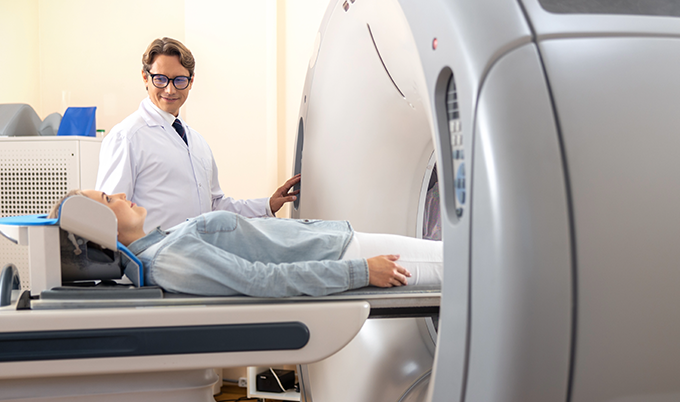
LDCT uses a rotating X-ray beam to capture cross-sectional images of your lungs in thin slices – sometimes as thin as 1 millimeter. This gives radiologists a three-dimensional view of lung tissue, allowing them to spot nodules as small as a few millimeters in diameter. These tiny nodules, invisible on a chest X-ray, are often the earliest sign that something is developing.
The “low dose” component is equally important. LDCT cuts radiation by approximately 90% compared to a standard diagnostic CT scan. A single LDCT delivers roughly the same radiation as a mammogram – a level considered safe for annual screening in eligible individuals.
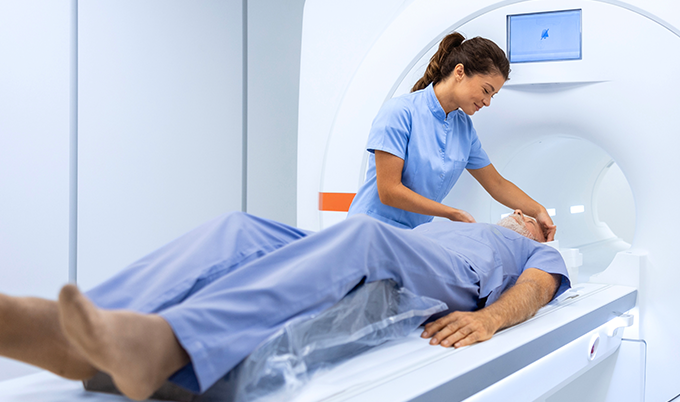
The scan itself takes less than 10 minutes. No contrast dye. No needles. No preparation required. You breathe in, hold briefly, and the scan is complete.
| Screening Method | Sensitivity | Detects Small Nodules | USPSTF Recommended | Mortality Benefit Proven |
|---|---|---|---|---|
| Low-Dose CT (LDCT) | 93-94% | ✅ Yes (1mm+) | ✅ Yes | ✅ Yes (20% reduction) |
| Chest X-Ray | ~25% | ❌ No | ❌ No | ❌ No benefit found |
| Sputum Cytology | Low | ❌ No | ❌ No | ❌ Not established |
| Blood Biomarker Tests | Emerging | ⚠️ Research phase | ❌ Not yet | ❌ Not established |
Who Should Consider a Lung CT Scan?

The USPSTF guidelines cover one specific population, but many people outside those guidelines still carry meaningful risk. A few groups worth considering:
- Current and former smokers aged 50-80 with a 20+ pack-year history – this is the primary recommended group for annual low-dose CT lung cancer screening
- Individuals with occupational exposures to asbestos, radon, arsenic, or industrial chemicals – all independent risk factors
- People with a family history of lung cancer, particularly first-degree relatives diagnosed before age 60
- Non-smokers with environmental radon exposure – radon is the second leading cause of lung cancer in the United States and is found in homes across every state
- Anyone experiencing unexplained respiratory changes who wants objective data before pursuing further clinical evaluation
If you’re uncertain whether lung CT scan screening applies to you, that conversation belongs with your physician. What a scan can do is give you – and your doctor – high-resolution, objective data rather than guesswork.
What Happens When the Lung CT Scan Finds Something
This is the question most people are quietly asking: what if they find something?
Finding a nodule doesn’t mean finding cancer. The majority of nodules detected on lung CT scans are benign – scar tissue, calcifications from past infections, or small slow-growing abnormalities that will never become dangerous. The NLST found that approximately 96% of positive screening results were ultimately found to be non-cancerous after follow-up.
When a nodule is identified, the next step depends on its size, shape, density, and location. Small calcified nodules may simply be monitored. Others may require a follow-up CT in 3 to 6 months to check for growth. In a smaller number of cases, a biopsy or PET scan may be recommended.
Board-certified radiologists read every scan with this decision tree in mind. At Craft Body Scan, results are reviewed by specialists trained in thoracic imaging – people who spend their careers looking at lung tissue, not generalists reading a chest scan between dozens of other studies. That distinction in expertise matters enormously in how findings are interpreted and communicated.
✓ Before Your Lung CT Scan: Quick Checklist
- No special preparation required – no fasting, no contrast dye
- Wear comfortable, loose clothing with no metal (zippers, underwire)
- Bring a list of current medications if you have respiratory conditions
- Plan for 15-20 minutes total appointment time
- No need for a doctor’s referral to schedule at Craft Body Scan
- Results reviewed by board-certified radiologists and available in your patient dashboard
The Real Limits of Lung CT Scan Accuracy
Accuracy doesn’t mean perfection, and this is worth saying plainly.
LDCT has a false positive rate. Nodules that look suspicious often turn out to be benign, and the follow-up process – while essential – can cause anxiety and occasionally leads to additional procedures. This is a real cost that researchers and guidelines openly acknowledge.
There is also a concept called overdiagnosis: the detection of slow-growing cancers that may never have caused symptoms or shortened life. Estimates vary, but it’s a genuine consideration that makes shared decision-making between patient and physician important.
LDCT also carries a small false negative rate. No screening tool catches every cancer, and some aggressive fast-growing cancers may develop between annual screenings. This is why consistency matters – a single scan is valuable, but annual lung CT scan screening builds the longitudinal picture that catches changes over time.
None of this undermines the case for screening. It’s a reason to go in with clear expectations and a skilled radiologist in your corner.
Why the Radiologist Reading Your Scan Is as Important as the Technology
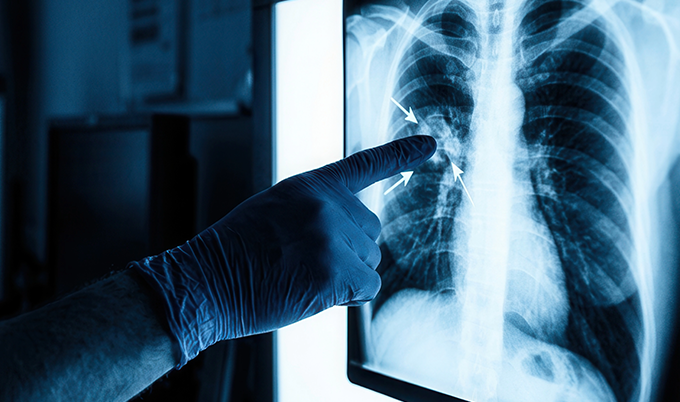
The quality of your low-dose CT lung scan means nothing if the person reading it isn’t exceptional at their job.
Research shows that nodule interpretation varies meaningfully between general radiologists and subspecialty-trained chest radiologists. The difference shows up most in borderline cases – nodules that are small, irregularly shaped, or in difficult anatomical positions where the call is genuinely hard.
Radiologists with subspecialty training in thoracic imaging develop pattern recognition that takes years to build. They know what calcified granulomas from old histoplasmosis look like versus a developing adenocarcinoma at 6 millimeters. That distinction, made correctly, shapes everything that comes next.
At Craft Body Scan, every lung CT scan is read by board-certified radiologists. You receive a detailed written report, and if something warrants follow-up, that guidance is communicated clearly – not buried in medical language that leaves you more confused than when you arrived.
Annual vs. One-Time Lung CT Screening: What Research Supports
A single lung CT scan establishes a baseline and can catch a cancer already present. It answers the immediate question of what’s going on in your lungs right now.
Annual screening, however, is where the data gets compelling. The National Lung Screening Trial compared annual LDCT against chest X-ray in over 53,000 high-risk participants across three rounds. The 20% mortality reduction emerged from that multi-year longitudinal approach – and it’s the foundation for the USPSTF recommendation for annual LDCT.
For individuals at elevated risk, building annual low-dose CT lung cancer screening into their health routine is the approach backed by the strongest evidence. A one-time scan has real value. Annual screening has measurable survival impact.
Take Control Before Symptoms Appear
Most people who benefit most from lung CT screening are people who waited too long. Not from denial – they simply didn’t have a clear, accessible path to scheduling the scan.
A lung scan at Craft Body Scan is a direct, no-referral-required appointment at a facility built for this purpose. Board-certified radiologists review every result. The scan takes less than 10 minutes.
If you want to screen both lungs and your heart in a single visit, the heart and lung scan gives you a broader picture of two of the most important organ systems in the body – available for couples at just $149.
The data on lung CT scan accuracy is clear. The data on early detection is clear. What changes outcomes isn’t more information – it’s the decision to stop waiting for symptoms that may never arrive with enough warning to matter.
Schedule your lung scan today. Your results will be ready faster than you expect, reviewed by specialists who know exactly what they’re looking for.