
Most people who schedule a full body scan don’t come in because something hurts. They come in because something worries them – a parent who died too young, a diagnosis that arrived too late, a quiet fear that their body is holding onto a secret they haven’t been told yet. What does a full body scan show? In plain terms, it shows what’s happening inside you right now, before symptoms give it away.
That’s the part traditional medicine rarely offers. Your annual physical checks blood pressure, draws labs, and listens to your heart. What it doesn’t do is look inside the soft tissue, the lungs, the coronary arteries – the places where the most dangerous conditions grow silently for years before announcing themselves.
A full body scan fills that gap. For the right person, at the right time, that information can genuinely change what happens next.
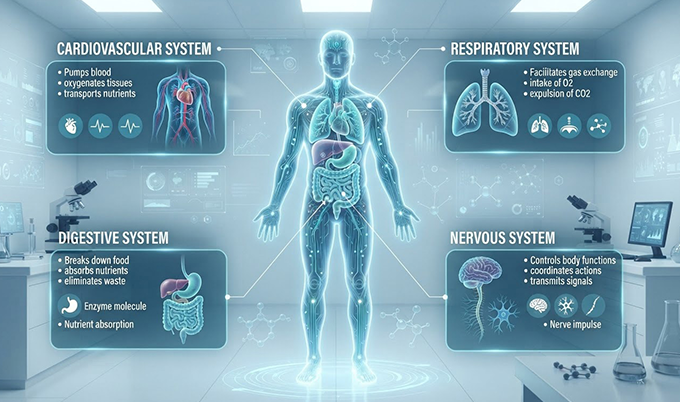
What Does a Full Body Scan Show Across Your Major Organ Systems?
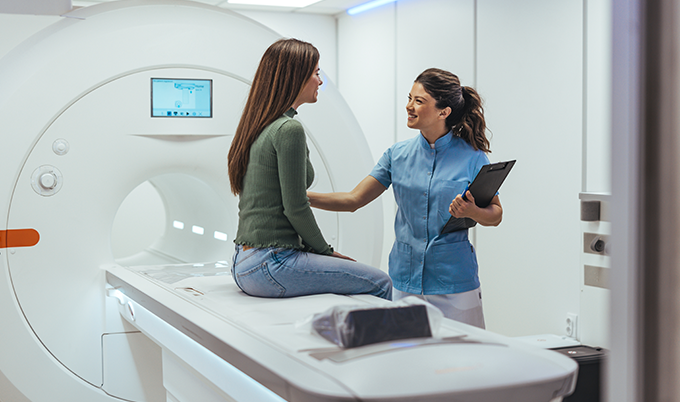
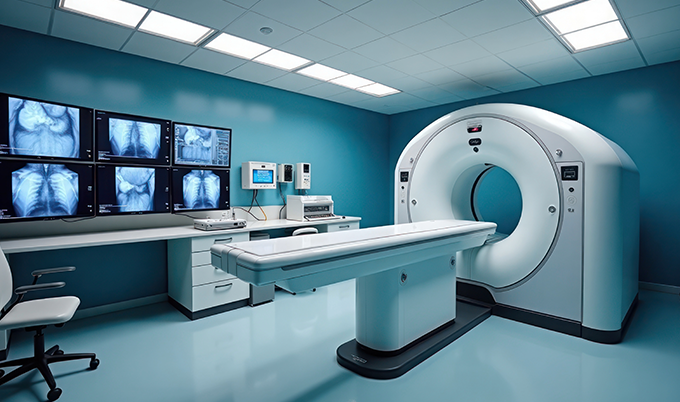
The term “full body scan” covers a range of imaging technologies, but the most common are CT (computed tomography) and MRI (magnetic resonance imaging). Both create detailed cross-sectional images of your internal structures. What a body scan detects depends on the scan type, but together these technologies identify abnormalities across virtually every major organ system.
Here’s what a full body scan shows across its primary systems:
- Heart and coronary arteries – Calcium buildup in arterial walls, a direct marker of atherosclerosis and elevated heart attack risk, often detectable years before a cardiac event occurs
- Lungs – Nodules, masses, and early-stage tumors that produce no symptoms in their earliest, most treatable form; also emphysema and chronic obstructive changes
- Abdominal organs – Abnormalities in the liver, kidneys, spleen, and pancreas including cysts, lesions, and early tumor formation
- Colon – Polyps and structural abnormalities that, if left undetected, can progress to colorectal cancer over years
- Brain – Signs of aneurysm, early stroke damage, white matter changes, and other neurological abnormalities
- Bones and spine – Density loss consistent with osteoporosis, fractures, disc degeneration, and structural changes in the spine
- Blood vessels – Aortic aneurysms and peripheral artery disease, both of which can be life-threatening without warning if not identified early
The direct answer to “what does a body scan detect” is this: anything structurally abnormal that has grown large enough for imaging to capture.
That’s not a limitation – that’s a remarkable capability, especially when you consider that most of these findings produce zero symptoms until the condition has advanced significantly. According to the American Heart Association, many people experience no warning signs before a first cardiac event.
CT vs. MRI: What Each Full Body Scan Shows Differently
Not all full body scans use the same technology, and the difference matters for what you’re looking to find.
| Feature | CT Body Scan | Whole-Body MRI |
|---|---|---|
| Technology | X-ray based imaging | Magnetic field imaging |
| Radiation | Low-dose radiation | Zero radiation |
| Best For | Heart, lungs, bones, calcium scoring | Soft tissue, brain, spine, organs |
| Scan Time | 10 – 45 minutes | 60 – 90 minutes |
| Ideal For | Calcium deposits, nodules, dense structures | Subtle soft tissue abnormalities |
| Referral Required? | No | No |
CT scans are the gold standard for cardiac calcium scoring, lung nodule detection, and virtual colonoscopy. MRI scans produce exceptional soft tissue contrast, which makes them superior for imaging the brain, spine, joints, and organs where subtle abnormalities can hide from CT.
Many people benefit from both. The two technologies are complementary. You can learn more about Craft Body Scan’s radiation-free option on the Whole-Body MRI page.
Why Symptoms Are a Poor Early Warning System for What a Body Scan Detects
Here’s what most people don’t realize until it’s too late: the diseases most likely to kill you are the ones that give you the least warning.
Heart disease – the leading cause of death in the United States – often presents its first symptom as a heart attack. Lung cancer, the deadliest cancer by total deaths, is frequently diagnosed at Stage III or Stage IV because there’s nothing to feel in Stage I.
Aortic aneurysms rupture without warning. Colon polyps become malignant over years of silent growth.
The body is a poor self-reporter for structural problems. Pain tells you something is wrong. Pain does not tell you early. By the time discomfort, fatigue, or other symptoms appear, many conditions have already progressed past their most treatable window.
That’s the core argument for a preventive full body scan – not anxiety, not hypochondria. It’s logic. If you want to catch something early enough to act on it, you have to look before you feel anything.
Who Gets the Most Value From a Full Body Scan
A full body scan isn’t necessary for everyone at every age. But for certain people, the case for getting one is difficult to argue against.
You’re likely a strong candidate if any of the following apply:
- Family history of heart disease, cancer, or stroke – Genetic risk doesn’t guarantee outcome, but it does raise your baseline probability in ways that make earlier detection more meaningful
- Age 40 – 70 – This is the window where most serious conditions begin their silent development; it’s also the window where early detection has the highest intervention value
- Current or former smoker – Lung cancer screening via low-dose CT is among the most evidence-backed preventive imaging recommendations available for this group
- No colonoscopy and over age 45 – Virtual colonoscopy offers a non-invasive alternative with comparable detection rates for polyps and colorectal abnormalities
- Labs came back “normal” but something feels off – Imaging gives you a different category of information than bloodwork alone can provide
- You want baseline health data – Many people who scan regularly aren’t chasing a fear. They want a baseline so future full body scans can show change over time – which is how early progression gets caught
✓ Quick Self-Check: Should You Schedule a Full Body Scan?
- A parent or sibling was diagnosed with cancer or heart disease before age 65
- You are currently 40 years old or older
- You smoke or smoked for more than 10 years
- You have never had a colonoscopy and are over 45
- You have high blood pressure, high cholesterol, or elevated blood sugar
- Your last full physical was more than 2 years ago
If two or more apply to you, a full body scan is worth serious consideration.
What to Expect From Full Body Scan Results

One question that holds some people back is what happens if something shows up. It’s worth addressing directly.
Not every finding is a crisis. Scans are highly sensitive, and they sometimes identify incidental findings – things that are present but clinically insignificant. A small kidney cyst. A benign lung nodule. A minor calcium deposit.
Radiologists are trained to communicate what requires follow-up and what is simply worth noting. The report you receive is not a diagnosis – it’s information for you and your physician to act on appropriately.
When something significant is found, that’s the body scan doing exactly what it’s supposed to do. A cardiac calcium score that reveals early arterial disease gives you the opportunity to change medication, diet, and monitoring before a cardiac event occurs.
A lung nodule found at 6mm is a very different clinical situation than a lung mass found at Stage III. The scan didn’t create the problem. It found it when something could still be done.
At Craft Body Scan, all full body scan results are reviewed by board-certified radiologists. Every report is detailed, written in plain language, and includes guidance on findings that warrant follow-up with your primary care provider or a specialist. Schedule your scan to get your results within days, not weeks.
Common Questions About What a Full Body Scan Shows
Is a full body scan safe?
CT scans use low-dose radiation – significantly less than older imaging technology. For most adults in the 40-70 age range, the radiation exposure from a preventive CT scan is considered low risk relative to the detection benefit.
Whole-body MRI uses no radiation at all, making it an excellent option for people who want comprehensive imaging with zero radiation exposure. The National Cancer Institute notes that modern low-dose CT protocols have substantially reduced exposure compared to conventional scanning.
Does insurance cover a full body scan?
Most preventive body scans are not covered by insurance because they fall outside the symptom-driven model of traditional healthcare coverage. This is frustrating, but it’s also why direct-pay scan centers like Craft Body Scan exist – to make these services accessible and transparent in cost, without requiring a physician referral or insurance approval to schedule.
How long does a full body scan take?
It depends on the scan type and scope. Here are typical timeframes:
- Cardiac CT scan – As little as 10-15 minutes
- Comprehensive CT (lungs, abdomen, pelvis) – Typically 30-45 minutes
- Whole-body MRI – Usually 60-90 minutes
None of these require anesthesia, IV contrast in most cases, or extended recovery time. Most patients drive themselves home immediately after.
How often should you get a full body scan?
Annual scanning is common among people who use body scans as a baseline monitoring tool. For others, every 2-3 years is appropriate depending on age, family history, and what previous scans showed.
Your radiologist report will usually include guidance on recommended follow-up timing based on your specific results.
What’s the difference between a full body scan and a full body MRI?
A “full body scan” typically refers to a CT-based scan covering the heart, lungs, abdomen, and pelvis. A full body MRI covers similar organ systems but uses magnetic imaging rather than X-ray technology – making it radiation-free. The Whole-Body MRI at Craft Body Scan is particularly well-suited for soft tissue screening with no radiation exposure.
Take Control: What Your Full Body Scan Results Can Change
There’s a version of healthcare that waits for you to feel something before it pays attention. Most of us have been living inside that system our whole lives. And for minor, acute conditions – an infection, a broken bone, a sprain – that reactive model works fine.
But for the conditions that take years to develop and arrive without warning? Waiting doesn’t protect you. It just means you find out later, when options are narrower.
What a full body scan shows, fundamentally, is a snapshot of your internal health at this moment in time. It shows what’s growing. What’s calcifying. What’s changed.
It gives you and your physician a factual basis for decisions instead of educated guesses based on how you feel on a given Tuesday. That’s a different kind of medical information. And for the right person – someone with family history, someone in the 40-70 window, someone who simply wants to know – it’s the most valuable data they’ll collect all year. If you want the full list of what a scan covers and what it costs, see the full body scan page.
Ready to See What Your Body Is Holding Onto?
Craft Body Scan’s Whole-Body MRI offers radiation-free, comprehensive imaging reviewed by board-certified radiologists. No physician referral required. No insurance hoops.
Learn about the Whole-Body MRI or schedule your scan today and take the first step toward knowing what’s actually happening inside your body.