MRI

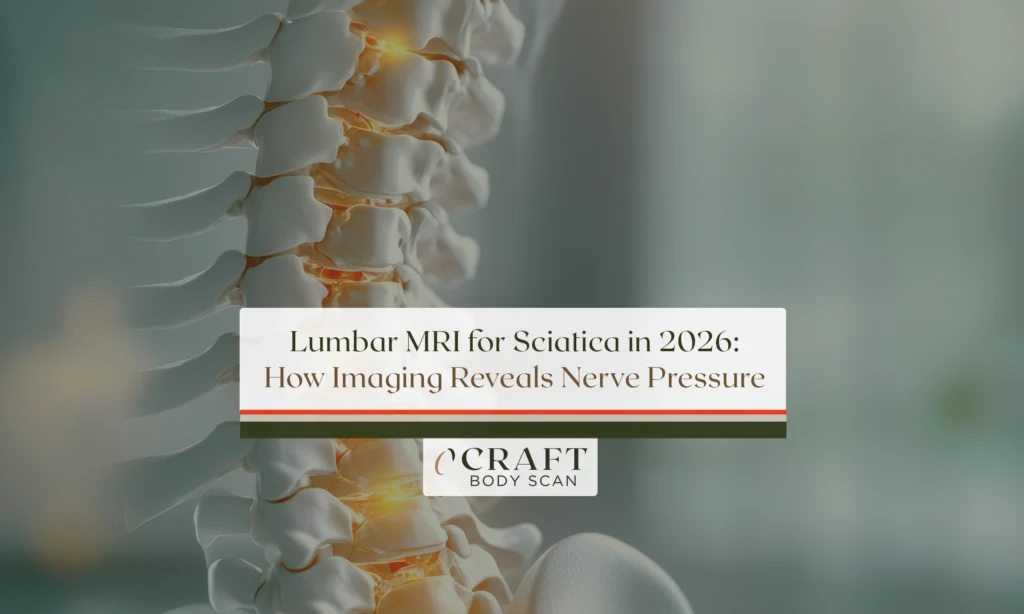
Lumbar MRI for Sciatica in 2026: How Imaging Reveals Nerve Pressure

When shooting pain radiates down your leg, doctors order a lumbar MRI for sciatica to pinpoint exactly what’s compressing your nerve. As someone who specializes in diagnostic imaging, I’ve worked with thousands of patients who finally got answers after months of unexplained leg pain. A lumbar MRI for sciatica uses powerful magnetic fields to create […]

Lumbar MRI for Sciatica in 2026: How Imaging Reveals Nerve Pressure Read More »
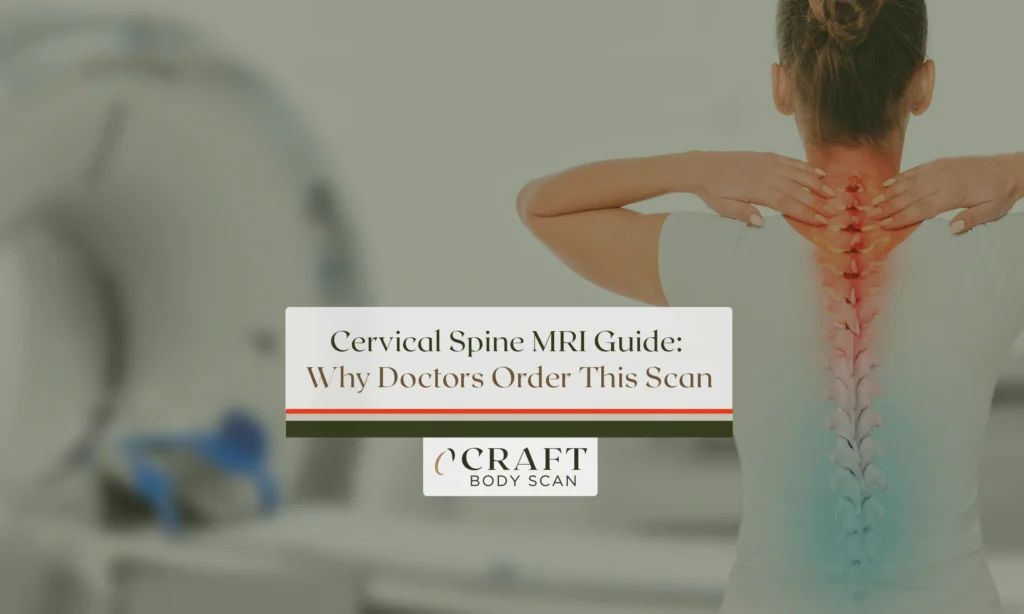
Cervical Spine MRI Guide: Why Doctors Order This Scan

When your doctor orders a cervical spine MRI, you’re probably wondering why you need this test. As someone who specializes in preventive imaging, I’ve helped thousands of patients understand how this painless scan provides answers simpler tests can’t deliver. A cervical spine MRI uses magnetic fields and radio waves to create detailed 3D images of

Cervical Spine MRI Guide: Why Doctors Order This Scan Read More »

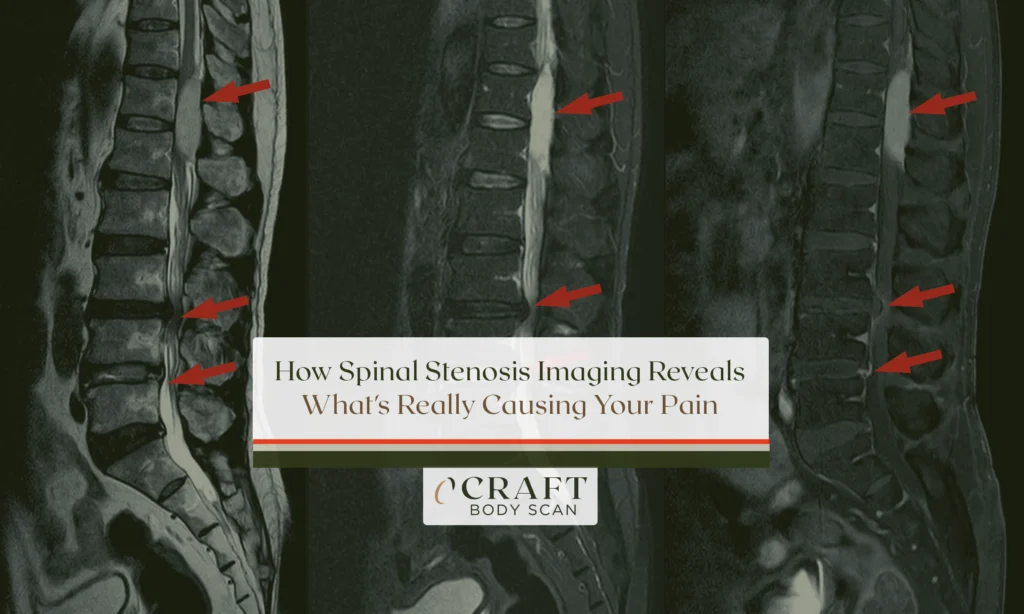
How Spinal Stenosis Imaging Reveals What’s Really Causing Your Pain

Stop guessing what’s happening inside your spine. Spinal stenosis imaging provides the definitive answer you need when back pain, leg numbness, or walking difficulties disrupt your daily life. MRI and CT scans have transformed spinal stenosis from a mysterious condition diagnosed only through surgery into one that doctors can identify, measure, and treat with remarkable

How Spinal Stenosis Imaging Reveals What’s Really Causing Your Pain Read More »

Stroke Brain Scan Guide: Early Warning Signs and Why Every Minute Matters

Every minute counts during a stroke. When brain cells lose their blood supply, they die at an alarming rate – approximately 1.9 million neurons every 60 seconds. A stroke brain scan is the only way to determine what type of stroke you’re experiencing and whether you’re a candidate for life-saving treatment within the critical 3-4.5

Stroke Brain Scan Guide: Early Warning Signs and Why Every Minute Matters Read More »

Hernia imaging: How scans reveal hidden abdominal wall defects

CT, ultrasound, and MRI each serve distinct roles in detecting hernias—though physical examination remains the gold standard for clinically apparent cases, imaging becomes essential when symptoms are unclear, complications are suspected, or surgical planning requires precise measurements. Approximately 32.5 million people worldwide have a hernia at any given time, and 27% of men will develop

Hernia imaging: How scans reveal hidden abdominal wall defects Read More »

Gallstone Imaging: Understanding Symptoms and How Ultrasound and CT Detect Gallbladder Disease

The pain arrives like a knife under your right ribs – sharp, intense, and impossible to ignore. You just finished dinner, maybe something rich or fatty, and now this. Is it indigestion? A heart problem? Or could it be your gallbladder? Gallstones affect 10-15% of adults in the United States, with most people never knowing

Gallstone Imaging: Understanding Symptoms and How Ultrasound and CT Detect Gallbladder Disease Read More »

Gadolinium Contrast: Clear Safety Information and When Doctors Consider Alternatives

Gadolinium contrast agents have been used safely in more than 300 million MRI scans over 35 years – but knowing the real risks versus the fear-mongering helps you make informed decisions about your health. When your doctor orders an MRI with contrast, that gadolinium-based agent makes the difference between seeing a tumor clearly or missing

Gadolinium Contrast: Clear Safety Information and When Doctors Consider Alternatives Read More »

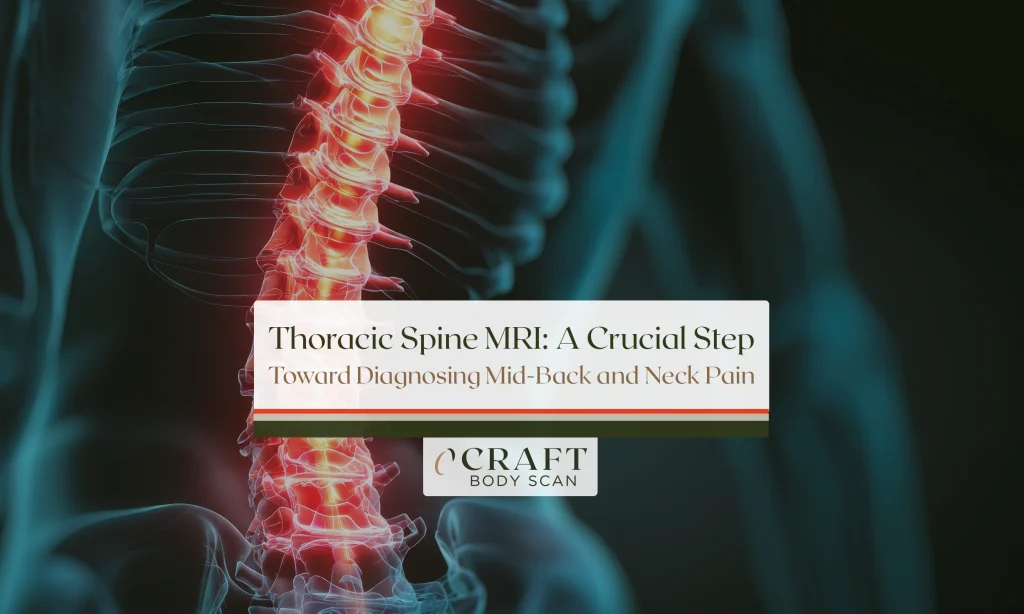
When You Need a Thoracic Spine MRI: What It Reveals

A thoracic spine MRI uses magnetic resonance imaging to examine the mid-back region between your shoulder blades and lower ribs, detecting herniated discs, nerve compression, spinal cord abnormalities, and degenerative changes without radiation. This scan becomes medically advisable when mid-back pain persists beyond three weeks, radiates into the chest or ribs, or accompanies neurological symptoms

When You Need a Thoracic Spine MRI: What It Reveals Read More »

Early Detection With MRI: Why Waiting Could Cost You Everything

When it comes to your health, waiting for symptoms to appear could mean missing your chance to catch a serious condition early. Many illnesses—including cancer, dementia, and heart disease—begin silently, developing without noticeable signs until it’s too late for simple treatment. That’s why MRI early detection has become a crucial tool in proactive healthcare. Using

Early Detection With MRI: Why Waiting Could Cost You Everything Read More »

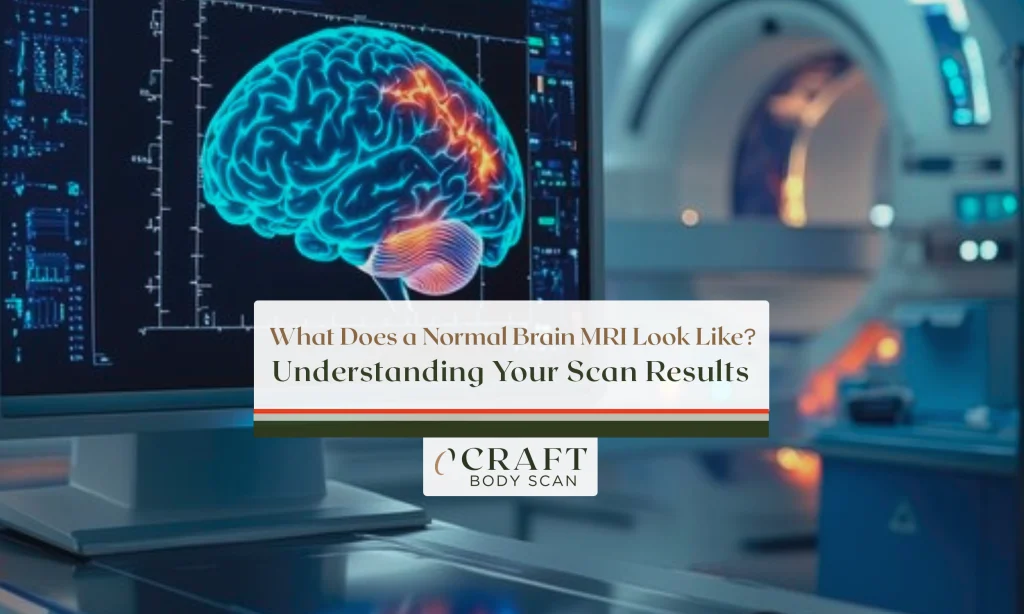
What Does a Normal Brain MRI Look Like? Understanding Your Scan Results

Stop wondering what your brain MRI results mean. As radiologists who review hundreds of brain scans each month, we see the same anxiety in patients’ faces when they’re handed their imaging results. The technical language feels overwhelming. The black and white images look foreign. You’re left asking yourself: Is this normal? A normal brain MRI

What Does a Normal Brain MRI Look Like? Understanding Your Scan Results Read More »