CT Scans

Stroke Brain Scan Guide: Early Warning Signs and Why Every Minute Matters

Every minute counts during a stroke. When brain cells lose their blood supply, they die at an alarming rate – approximately 1.9 million neurons every 60 seconds. A stroke brain scan is the only way to determine what type of stroke you’re experiencing and whether you’re a candidate for life-saving treatment within the critical 3-4.5 […]

Stroke Brain Scan Guide: Early Warning Signs and Why Every Minute Matters Read More »

Brain CT Head Injury Complete Guide: What the Scans Detect

After a head injury, doctors need answers fast. Is there bleeding inside your skull causing pressure? Are bones fractured and pushing into brain tissue? Is dangerous swelling building that could cause permanent brain damage? A brain CT head injury scan provides these critical answers within seconds of completing the imaging study. CT (computed tomography) serves

Brain CT Head Injury Complete Guide: What the Scans Detect Read More »

Hernia imaging: How scans reveal hidden abdominal wall defects

CT, ultrasound, and MRI each serve distinct roles in detecting hernias—though physical examination remains the gold standard for clinically apparent cases, imaging becomes essential when symptoms are unclear, complications are suspected, or surgical planning requires precise measurements. Approximately 32.5 million people worldwide have a hernia at any given time, and 27% of men will develop

Hernia imaging: How scans reveal hidden abdominal wall defects Read More »

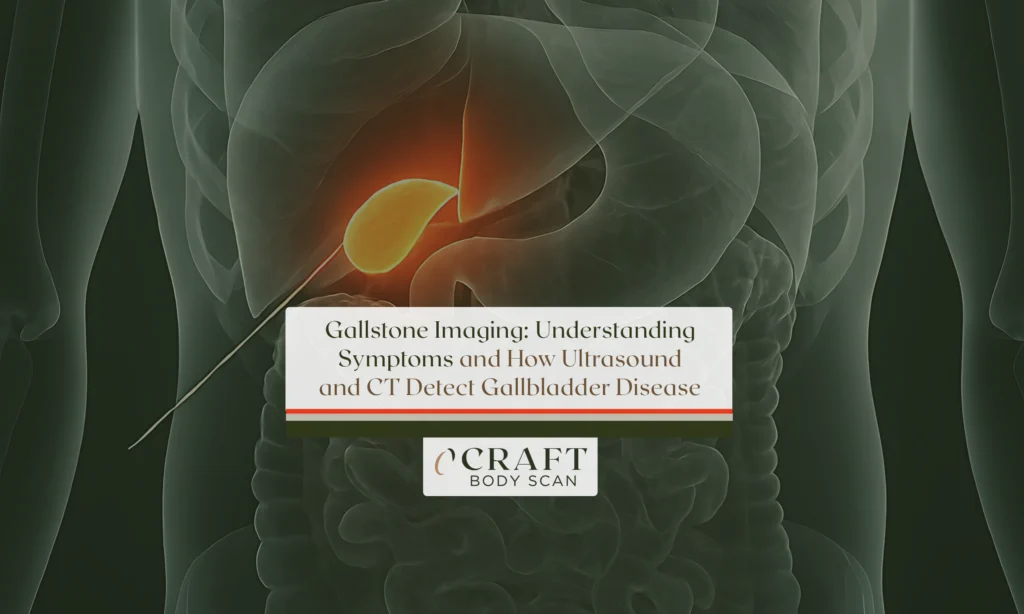
Gallstone Imaging: Understanding Symptoms and How Ultrasound and CT Detect Gallbladder Disease

The pain arrives like a knife under your right ribs – sharp, intense, and impossible to ignore. You just finished dinner, maybe something rich or fatty, and now this. Is it indigestion? A heart problem? Or could it be your gallbladder? Gallstones affect 10-15% of adults in the United States, with most people never knowing

Gallstone Imaging: Understanding Symptoms and How Ultrasound and CT Detect Gallbladder Disease Read More »

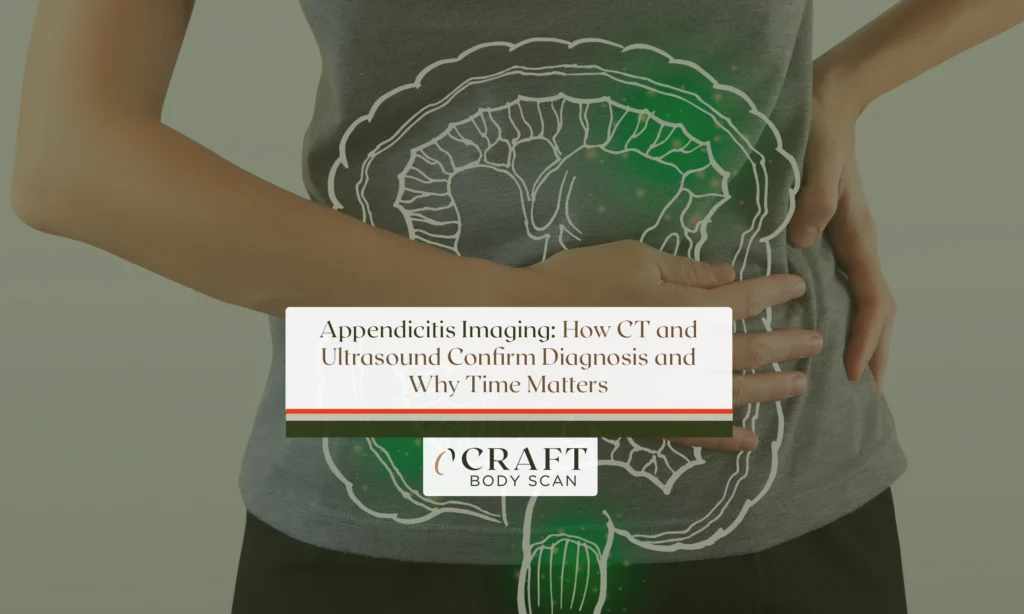
Appendicitis Imaging: How CT and Ultrasound Confirm Diagnosis and Why Time Matters

The pain starts suddenly – sharp, focused in your lower right abdomen. Within hours, it intensifies. You can’t stand straight. Walking hurts. Something is seriously wrong, and your body is sounding every alarm it has. This is appendicitis announcing itself, and the clock just started ticking. Every day that passes without diagnosis and treatment increases

Appendicitis Imaging: How CT and Ultrasound Confirm Diagnosis and Why Time Matters Read More »