


Your appointment is scheduled. The date is marked on your calendar. As it approaches, questions multiply about what actually happens during a full-body scan. Understanding the process reduces anxiety and helps you prepare properly for this important health screening.
At Craft Body Scan, the entire experience is built around one goal – giving you clarity before symptoms force the conversation. These centers are designed differently from traditional medical facilities. You’re choosing proactive health screening, not seeking treatment for illness. Every aspect of the facility reflects this distinction – from the welcoming environment to the efficient procedures that respect your time.
Here is exactly what to expect, from the moment you walk in to the moment your results arrive.
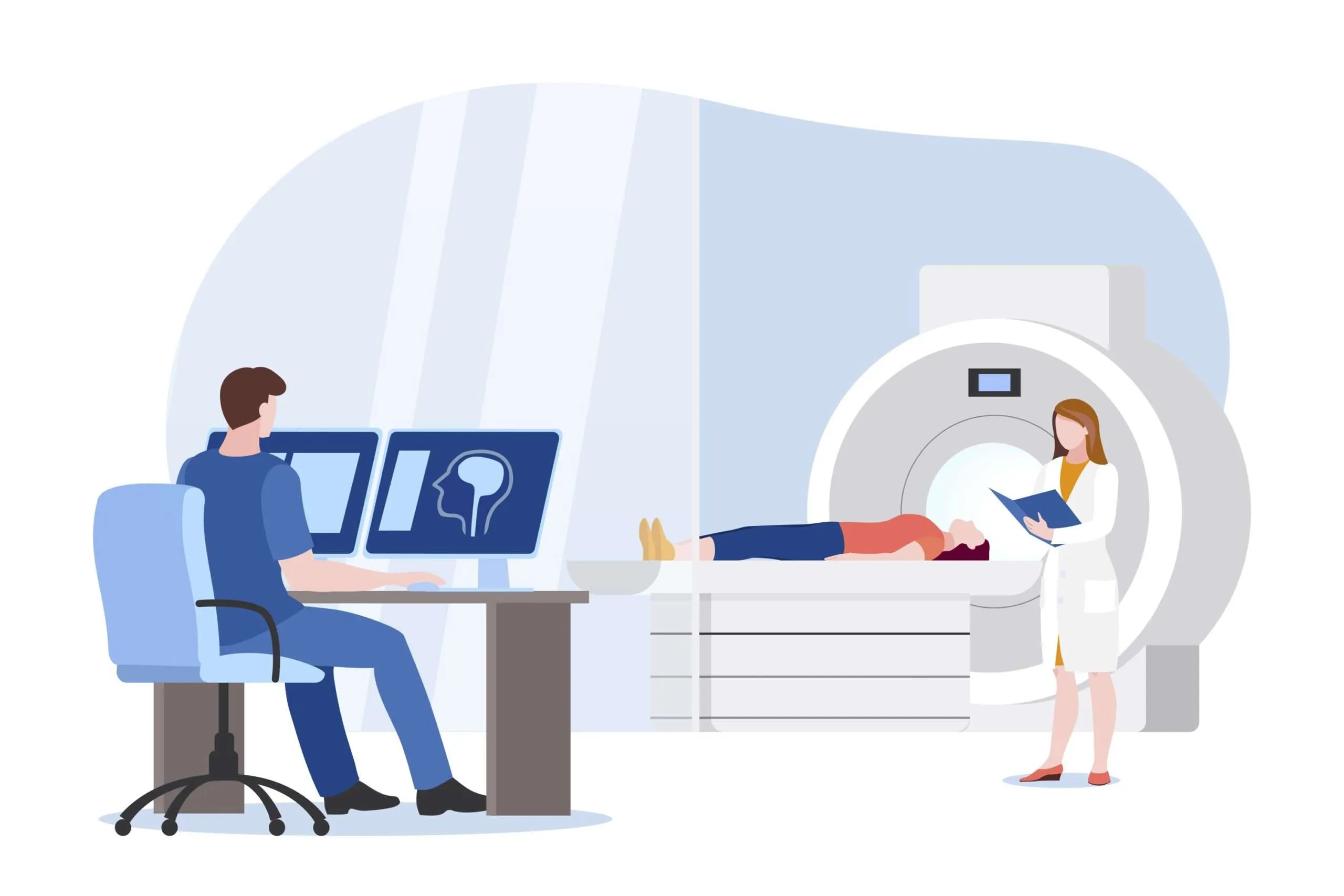
What You Need to Know About Your First Scan
- Minimal preparation required – Most full-body scans need little special preparation, though specific instructions vary by imaging technology
- Time to allocate – Plan for 2-3 hours total including check-in, changing, scanning, and brief post-scan discussion
- Scanning experience – Modern equipment features open design, quiet operation, and comfortable positioning
- Results delivery timeline – Preliminary findings typically arrive within 48-72 hours, followed by detailed written reports
- Follow-up consultation – Most facilities provide appointments to explain findings and recommend next steps when needed
The reality of full-body scanning proves far less intimidating than most people anticipate. Understanding each step of the process helps you approach your appointment with confidence rather than anxiety.
Before You Arrive – Preparation Steps
Full-body scans require minimal preparation compared to many medical procedures. Most people maintain their normal routines right up until appointment time. Simple steps optimize your experience:
- Clothing selection – Wear comfortable, metal-free clothing like athletic wear to potentially avoid changing into a gown
- Jewelry considerations – Leave valuable jewelry at home since you’ll remove all metal items before scanning
- Hydration needs – Drink normally unless your facility provides different instructions
- Medication schedule – Continue all regular medications unless specifically instructed otherwise
- Required documentation – Bring photo ID, insurance cards (if applicable), and any previous imaging results or relevant medical records
- Medical history information – Note any previous surgeries, implants, or conditions that might affect imaging
Some imaging types require minor modifications to normal routines. CT scans measuring coronary calcium work best if you avoid caffeine for 4 hours beforehand. Full-body MRI protocols might request no food for 2 hours before your appointment. Contrast-enhanced studies may require fasting or kidney function verification.
Your screening facility provides clear, specific instructions when you schedule. Follow these precisely to avoid rescheduling. When in doubt, call ahead with questions – staff would rather clarify requirements than have you arrive unprepared.
Arrival and Check-In Process
Preventive health screening centers intentionally create environments distinct from traditional medical facilities. These spaces emphasize wellness rather than illness, often featuring modern design, natural lighting, and calming aesthetics.
The check-in process typically involves:
- Presenting identification and insurance information (if applicable)
- Completing health history forms documenting previous conditions, surgeries, medications, and family history
- Reviewing and signing consent documentation explaining the procedure and potential findings
- Finalizing payment arrangements if not handled during booking
- Asking any last-minute questions or voicing concerns
This process takes 10-15 minutes under normal circumstances. Arrive 15-20 minutes before your scheduled scan time to complete paperwork without rushing.
Staff at screening centers understand that you’re there by choice for prevention rather than necessity for diagnosis. This changes the entire interaction. Voice any anxieties during check-in – claustrophobia concerns, worries about findings, questions about the process. Staff members have heard every concern and can provide appropriate reassurance or accommodations.
Changing and Preparation
After check-in, staff escort you to a private changing area. Quality facilities provide amenities that prioritize your comfort and dignity:
- Secure storage – Lockers with keys or codes for personal belongings, valuables, and clothing
- Appropriate attire – Well-maintained gowns or medical scrubs in various sizes that actually fit properly
- Private spaces – Individual changing rooms with doors, not curtained areas in shared spaces
- Clear instructions – Written or verbal guidance about what items require removal
- Comfort items – Blankets, socks, or other amenities for temperature comfort
All metal items must be removed before scanning – including underwire bras, belts, jewelry, watches, hairpins, and clothing with metallic threads or embellishments. Some facilities provide metal-free alternatives like sports bras or non-metal clothing fasteners.
Take your time changing and securing your belongings properly. Rushing creates unnecessary stress before the scan.
Meeting Your Imaging Technologist
Your technologist serves multiple roles throughout your appointment – equipment operator, educator, and guide. These highly trained, licensed professionals undergo extensive education and maintain ongoing certifications.
Your technologist will:
- Introduce themselves and explain their role in your care
- Review the scanning procedure in clear, understandable language
- Answer technical questions about the equipment or process
- Position you properly on the scanning table for optimal image quality
- Maintain communication throughout the entire procedure
- Monitor your comfort and safety continuously
- Adjust the plan if issues arise during scanning
This is your opportunity to share concerns about claustrophobia, physical limitations preventing certain positions, anxiety about the procedure, or any other factors affecting your experience. Technologists have extensive experience managing these situations and can often implement solutions you hadn’t considered.
Many people report that their technologist’s calm professionalism and clear communication reduced their anxiety significantly. Don’t hesitate to ask questions or request accommodations – technologists want your scan to succeed as much as you do.
The Scanning Room Environment
Modern full-body scanning equipment bears little resemblance to the cramped, noisy machines that triggered claustrophobia in earlier generations of medical imaging. Current technology prioritizes patient comfort alongside image quality.
CT scanning room features
- Open design – Wide-bore scanners resemble large donuts rather than enclosed tubes
- Comfortable table – Padded scanning tables with positioning aids for support
- Quick procedures – Most CT scans complete in 10-15 minutes
- Minimal noise – Soft whirring sounds during scanning, nothing harsh or startling
- Climate control – Temperature-controlled rooms for comfort
- Communication system – Two-way intercom for constant contact with technologist
MRI scanning room features
- Wide-bore options – Newer MRI systems offer significantly larger openings than older models
- Ambient features – Adjustable lighting, music through headphones, and mirror systems letting you see outside the scanner
- Longer duration – Full-body MRI scans typically take 45-60 minutes
- Distinctive sounds – Rhythmic knocking, buzzing, or humming during imaging sequences
- Positioning supports – Cushions, bolsters, and straps keeping you comfortable and still
- Emergency communication – Alert button you can press anytime if you need to stop
During the Scan – Step-by-Step Experience
CT scanning procedure
Your technologist positions you on the scanning table, usually lying on your back with arms positioned above your head or at your sides depending on the body region being imaged. The table glides smoothly through the circular scanner opening. You’ll be asked to hold your breath for 5-10 seconds at specific intervals while the scanner captures images – your technologist guides you through each breath hold with clear verbal cues.
The entire CT scanning process takes 10-15 minutes. You remain in communication with the technologist throughout via intercom. The machine makes soft mechanical sounds as it operates. Most people find the experience far easier than anticipated.
MRI scanning procedure
MRI requires more time and patience due to the imaging technology involved. You’ll be positioned on the table with cushions supporting comfortable alignment. The table slides into the scanner tunnel, though your head often remains outside or near the opening depending on what’s being imaged.
You must remain as still as possible during image sequences, though small movements between sequences won’t compromise results. The scanner makes loud rhythmic sounds – knocking, buzzing, humming – as it creates images using magnetic fields and radio waves. Headphones with music help mask these sounds while allowing technologist communication.
The 45-60 minute duration requires patience, but many people find the experience meditative once they settle in. Some even fall asleep during the scan. Remember – you maintain constant communication with your technologist and can request breaks if needed.
Special Accommodations Available
Screening centers recognize that individual needs vary significantly. Common accommodations include:
- Claustrophobia management – Open-bore scanners, anti-anxiety medications prescribed by your doctor, mirror systems, modified positioning, or having a support person present
- Physical limitations – Positioning aids, cushions, shorter scan protocols, regular position change breaks, or alternative imaging angles
- Weight considerations – Wide-bore scanners and reinforced tables accommodate various body sizes comfortably within equipment specifications
- Hearing or vision impairments – Written instructions, interpreters, clear verbal guidance, or tactile communication methods
- Anxiety or panic disorders – Gradual acclimation, relaxation techniques, support person presence, or physician-prescribed mild sedation
- Temperature sensitivity – Extra blankets, climate adjustments, or heated blankets for comfort
Discuss any concerns or needs when scheduling and again when you arrive. Facilities want successful scans and satisfied patients – accommodations benefit everyone involved.
Immediately After Your Scan
Once scanning completes, you return to the changing room and resume normal activities immediately. No recovery time, no driving restrictions, no side effects to monitor. You walk out feeling exactly as you arrived – except detailed images of your body now exist for radiologist analysis.
Some facilities offer brief technologist reviews where they show you basic anatomy on your images. This is not medical interpretation – radiologists provide that – but rather an educational moment that many find fascinating. Technologists can point out basic structures but cannot and will not discuss medical findings.
You can typically drive yourself home, return to work, exercise, eat normally, and maintain your regular schedule without restriction. The non-invasive nature of imaging means zero impact on your daily life beyond the time spent at the appointment.
The Results Process – From Images to Insights
After scanning, your images undergo careful review by board-certified radiologists who examine every image slice, every angle, every potential finding. This analysis takes time because thoroughness matters more than speed.
Typical results timeline:
- 24-48 hours – Radiologist completes initial image review
- 48-72 hours – Preliminary findings available through patient portals or direct communication
- 3-5 days – Detailed written reports completed and delivered
- Additional time – Complex findings requiring subspecialist consultation may take longer
Quality facilities provide results through multiple channels – secure online portals for immediate access, printed reports for your personal records, direct phone calls for significant findings requiring prompt attention, and scheduled follow-up consultations for detailed discussion.
Report complexity impacts turnaround time. Simple, clear scans generate faster reports than studies with multiple findings requiring careful description and measurements. Weekend or holiday scanning may delay reports until radiologists return. Additional subspecialist review for complex findings adds time but improves accuracy.
Understanding Your Written Report
When results arrive, medical terminology can seem overwhelming. Reports use precise language that sometimes makes normal variations sound concerning. Common phrases you might encounter:
- “No acute findings” – Nothing requiring immediate medical attention – generally good news
- “Incidental finding” – Something discovered that wasn’t the primary screening target – often benign age-related changes
- “Recommend follow-up” – Something worth monitoring over time, not necessarily concerning
- “Correlation with clinical symptoms” – Finding that gains significance only if you experience related symptoms
- “Within normal limits for age” – Changes expected for your age group, not abnormal
- “Stable compared to previous” – Unchanged from earlier imaging, suggesting benign nature
- “Further evaluation suggested” – Additional testing recommended to characterize a finding more completely
Remember that radiologists report everything they observe, regardless of how minor. This approach means nothing gets missed but can make normal anatomical variations sound alarming. Follow-up consultations provide essential context for interpreting reports accurately.
The Follow-Up Consultation – Turning Data Into Understanding
Whether included in your scan package or scheduled separately, follow-up consultations transform medical jargon into actionable information. These appointments typically last 15-30 minutes depending on findings complexity.
During your consultation:
- A physician or qualified healthcare provider reviews your results using plain language
- You can ask questions about any findings, terminology, or recommendations
- Necessary follow-up testing or specialist referrals are discussed and coordinated
- Preventive strategies based on your specific results are outlined
- You receive guidance on appropriate rescreening intervals
- Concerns or anxiety about findings are addressed with proper context
This conversation often proves the most valuable component of the entire screening process. Raw data becomes practical health guidance you can actually use. Uncertainty transforms into clarity. Questions receive answers from qualified professionals who understand both the imaging and the broader health context.
Come prepared with written questions. Take notes during the consultation. Don’t hesitate to ask for clarification if explanations use terminology you don’t understand. This is your health information – you deserve to understand it completely.
After Your First Scan – Building Your Prevention Strategy
Your first full-body scan establishes the baseline that makes future screenings more valuable. With reference images on file, subsequent scans can detect subtle changes over time that might indicate developing conditions.
Most people find repeat scans less anxiety-provoking than their first experience. You know exactly what to expect, the process feels familiar, and previous clear results (if applicable) provide reassurance.
Results represent a snapshot in time – valuable for what they reveal and what they don’t. Clear results don’t guarantee continued perfect health, just as minor findings don’t predict disaster. They provide information for guiding health decisions and monitoring strategies going forward.
Use your results to inform lifestyle choices, rescreening schedules, and conversations with your primary care physician. Share reports with your healthcare team for integration into your overall health management.
Making the Most of Your Screening Experience
Walking out after your first full-body scan, you’ll likely feel relief and confidence. You’ve taken a proactive step that many consider but fewer actually complete. You’ve chosen knowledge over uncertainty, prevention over reaction.
The entire experience – arrival through departure – reflects how preventive health screening differs from traditional medical care. You don’t wait for symptoms to seek answers. You don’t wonder what’s happening inside your body. Technology and expertise combine to provide clarity in an experience designed for your comfort.
Craft Body Scan specializes in making your first screening experience comfortable and informative. Their modern facilities feature the latest imaging technology operated by experienced, licensed technologists. Board-certified radiologists provide detailed interpretations, and the team offers clear consultation explaining your results in understandable language.
Whether you’re establishing your health baseline or following up on previous screening, Craft Body Scan’s process respects your time while prioritizing thorough, accurate imaging. Their transparent approach means you know what to expect before, during, and after your appointment.
Take control of your health with confidence. The scan itself takes just minutes, but the clarity and potential early detection benefits last much longer. Schedule your first full-body scan at Craft Body Scan today.