If you’ve searched for a dexa scan near me and landed here still not sure what you’re actually looking for, you’re not alone. Here’s the short answer. A DEXA scan is not a different test from a bone density test. DEXA (dual-energy X-ray absorptiometry) is simply the name of the method most bone density tests use to measure how much mineral is packed into your bones. When your doctor orders a “bone density test,” DEXA is usually the technology doing the work behind the scenes.

The confusion is understandable. Most sites either explain the technology in dense clinical language or skip straight to booking without explaining what you’re paying for. We want to do both, clearly. By the time you finish reading, you’ll know how to read your own T-score and Z-score, who actually needs this test, and how Craft Body Scan builds bone density testing into a Full Body Scan, without a doctor’s referral standing between you and an answer.
1. Is a DEXA Scan the Same as a Bone Density Test?
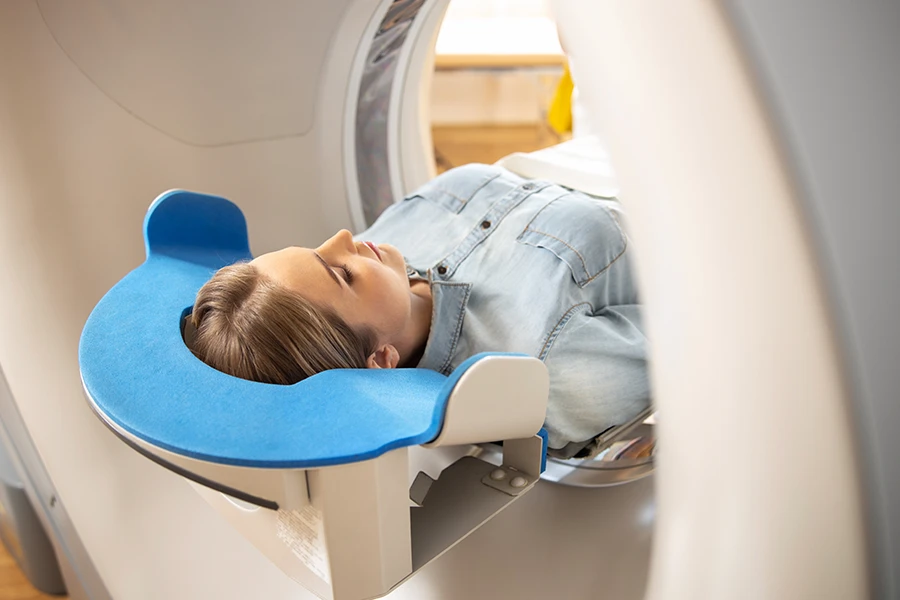
Yes, in the vast majority of cases. “Bone density test” is the general term for any exam that measures bone mineral density. DEXA is the specific technology most of those exams use, and the Bone Health & Osteoporosis Foundation calls it the most common and versatile way to measure bone density. Other methods exist too, including quantitative CT and newer CT-based bone density analysis, which measure the same thing using a CT scanner instead of a dedicated DEXA table.
That distinction matters here because Craft Body Scan measures bone density using CT-based scanning technology, read alongside your Full Body Scan, rather than a stand-alone DEXA unit. Both approaches produce the same kind of result, a T-score and a Z-score, and both are recognized ways to screen for osteoporosis. If you already have imaging scheduled, this is simply a more direct path to the same information, without adding a second appointment to your calendar.
2. Decoding Your T-Score and Z-Score
Your results come back with two numbers, and they answer two different questions.
Your T-score compares your bone density to a healthy young adult. This is the number used to diagnose osteoporosis. Your Z-score compares your bone density to other people your own age and sex, which helps your radiologist see whether something other than normal aging might be affecting your bones.
These thresholds come from the World Health Organization’s diagnostic criteria and are used industry-wide, whether your test was done by DEXA or CT-based bone density analysis, according to the Bone Health & Osteoporosis Foundation. Our board-certified radiologists interpret every scan personally, so you’re not left holding a printout of numbers with no context attached to them.
3. Who Needs a Bone Density Test, and When
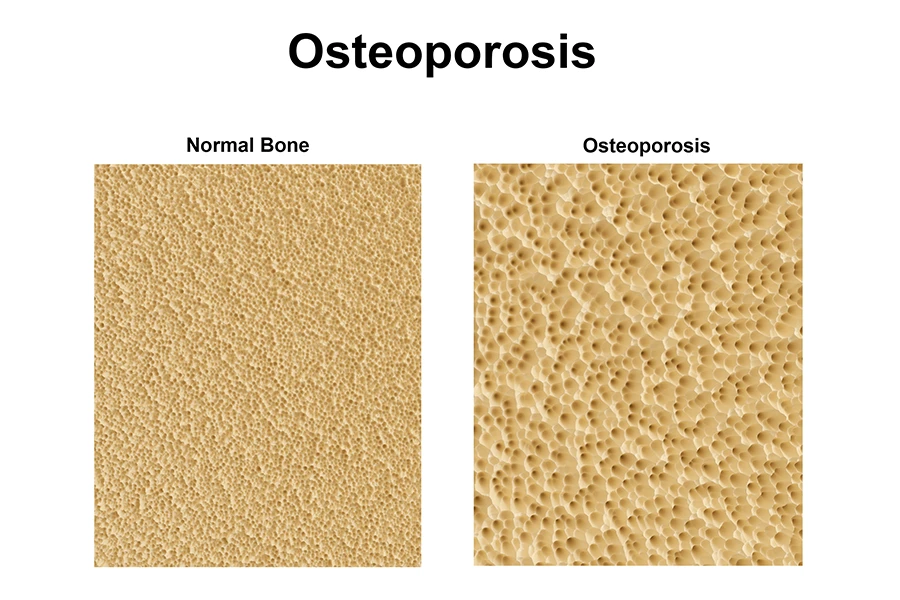
Bone density testing isn’t only for people who already suspect a problem. According to the Bone Health & Osteoporosis Foundation, about 54 million Americans have osteoporosis or low bone mass, and roughly one in two women and up to one in four men over age 50 will break a bone because of it. Osteoporosis is often called a silent condition because it rarely announces itself before that first fracture.
Who Should Get Screened
- →Women 65 and older, regardless of other risk factors
- →Men 70 and older, regardless of other risk factors
- →Anyone who has broken a bone after age 50, from a fall or even a minor bump
- →Women 50 to 64 with risk factors, such as a family history of osteoporosis, smoking, or long-term steroid use
- →Men 50 to 69 with risk factors, including low body weight or a previous fracture
- →Anyone with rheumatoid arthritis or another condition known to affect bone strength
A 2025 systematic review published in JAMA found that screening higher-risk women 65 and older was associated with fewer hip and major fractures compared with usual care. That’s the entire point of catching this early. Most people who eventually break a bone from osteoporosis had no idea their bones had weakened until that moment. If you want a more personalized estimate before you book, the FRAX fracture risk calculator factors in your age, weight, and history to estimate your 10-year fracture risk. A test that takes minutes can move that discovery earlier, while there’s still time to act on it.
4. What to Expect and What It Costs at Craft Body Scan
At Craft Body Scan, bone density testing is available as an add-on to your Full Body Scan at all eight of our locations – Austin, Charlotte, Columbus, Nashville, Raleigh, Scottsdale, Tampa, and Tulsa. There’s no separate appointment, no extra prep, and no fasting required. The bone density reading comes from the same CT imaging used for your Full Body Scan, reviewed by one of our board-certified radiologists alongside the rest of your results.
Here’s what it costs today.
Every result comes back reviewed by a board-certified radiologist, with your report available in your patient portal within 5 to 10 business days. If you’re curious how bone density and body composition work together, our guide to body composition testing covers what that add-on measures and why it pairs well with a bone density check.
Note. This is educational content, not medical advice. Bone density results should always be reviewed with a healthcare provider who knows your full health history. Craft Body Scan provides preventive screening, not diagnostic or emergency care.
5. Skip the Referral Wait and Book Directly
Most bone density testing happens through a hospital or radiology practice, and most of those require a prescription or referral from your doctor first. That process can take weeks, and if you’re already the kind of person who wants an answer instead of a waiting room, it can feel like an unnecessary delay for a test that takes minutes to run.
Craft Body Scan is private-pay and appointment-based. No referral, no insurance pre-authorization, no waiting for someone else’s calendar to open up. You book your Full Body Scan, add the bone density test, and get your results reviewed by a board-certified radiologist, all without a middleman standing between you and an answer.
Frequently Asked Questions
Is a DEXA scan the same as a bone density test?
Yes. DEXA is the specific technology most bone density tests use. When people search for a “bone density test,” they’re almost always looking for the same result a DEXA or a comparable CT-based test provides.
What is a good T-score for my age?
A T-score of -1.0 or above is considered normal, regardless of your age. The T-score compares you to a healthy young adult, so if you want a comparison to people your own age, ask your radiologist about your Z-score instead.
How much does a DEXA scan or bone density test cost without insurance?
At Craft Body Scan, the bone density test is $99 as an add-on to a Full Body Scan ($2,495). We’re a private-pay practice, so this is the full cost with no insurance billing involved.
Do I need a doctor’s referral for a bone density test at Craft Body Scan?
No. Craft Body Scan is a direct-access, private-pay service. You can schedule your Full Body Scan and bone density add-on without a referral from your doctor.
How often should I get a bone density test?
Most people at average risk are tested every two years. Your own schedule may differ based on your first result and any risk factors, which is worth discussing with your healthcare provider. If you’re weighing timing by age specifically, our article on what age a woman should get a bone density test breaks that down in more detail.
What if my results show low bone density or osteoporosis?
Your radiologist’s report includes your T-score, Z-score, and follow-up recommendations. From there, common next steps include calcium and vitamin D intake, weight-bearing exercise done safely, and a conversation with your regular healthcare provider about treatment options. Testing is the first step toward protecting your bone health, not the last one.
Where can I get a bone density test near me?
Craft Body Scan offers bone density testing at all eight of our locations – Austin, Charlotte, Columbus, Nashville, Raleigh, Scottsdale, Tampa, and Tulsa – as an add-on to the Full Body Scan.
How long does it take to get my results?
Your report is reviewed by a board-certified radiologist and available in your patient portal within 5 to 10 business days.
Know Your Numbers Before You Need Them
A DEXA scan and a bone density test are the same idea wearing two different names, and now you know what the T-score and Z-score on your results actually mean. Osteoporosis builds quietly, and a fracture is usually the first sign most people get. A scan that takes minutes can move that discovery earlier, while there’s still time to act on it.
If you’re 50 or older, have risk factors, or simply want to know where you stand, add a bone density test to your Full Body Scan at any of our eight locations. See our full pricing for every scan we offer.
Schedule your scan today and take control of your health with numbers you can actually act on.