

You’re showering or getting dressed when you feel it – a small, firm bump in your neck, armpit, or groin. Your pulse quickens. Could this be cancer? This moment of discovery triggers immediate concern for millions of people each year, and it’s completely understandable.
Let me reassure you with what medical evidence shows: while swollen lymph nodes can indicate cancer, they’re far more commonly caused by infections or other benign conditions. The key is understanding when to seek evaluation and what advanced screening can reveal about your health.
The numbers tell an important story. Breast cancer 5-year survival rates reach nearly 100% for localized disease but drop to 87% when cancer spreads to lymph nodes. Similarly, colon cancer survival rates decrease from 91% for early-stage disease to 73% when lymph nodes are involved. For Hodgkin lymphoma, overall 5-year survival rates reach approximately 89%, with younger patients often achieving survival rates over 90%.
So what should concern you? Cancer-related lymph node swelling typically presents as firm, painless masses that persist and grow over time, unlike infection-related swelling that fluctuates and resolves. Normal lymph nodes are typically under 1.5 centimeters, so anything larger or continuously growing deserves medical attention.
Here’s the empowering reality: modern imaging technology can distinguish between benign reactive changes and concerning findings, providing definitive answers instead of leaving you in prolonged uncertainty about your health.
Understanding the Cancer Connection Beyond Common Causes
Your lymphatic system serves as your body’s security network, filtering harmful substances and fighting infections. When cancer cells break away from their original location, they often travel through lymph vessels to nearby lymph nodes – making these small, bean-shaped structures crucial sentinels in cancer detection.
This process, called metastasis, explains why swollen lymph nodes and cancer are so closely connected in medical evaluation. But understanding this connection requires looking beyond surface-level symptoms.
Cancer-related lymph node swelling follows specific patterns. It creates firm, often painless masses that persist and grow over time, unlike infection-related swelling that comes and goes.
The medical community has established clear guidelines for when lymph node swelling warrants immediate investigation. Normal lymph nodes are typically under 1.5 centimeters, so anything larger deserves attention. Nodes that feel hard or rubbery, and swelling that persists beyond two weeks all suggest the need for professional evaluation.
Consider this perspective: every day we wait to investigate concerning symptoms is a day that potentially allows problems to progress. Early-stage cancers involving lymph nodes have dramatically better outcomes than those caught in later stages. The difference isn’t just statistical – it can be the difference between a treatable condition and a life-threatening diagnosis.
Yet many of us delay seeking answers, hoping symptoms will resolve on their own. This waiting game serves neither your health nor your peace of mind. Modern diagnostic technology can quickly distinguish between benign and concerning lymph node changes, giving you the knowledge that empowers better health decisions.

What Do Swollen Lymph Nodes Feel Like? A Complete Texture and Sensation Guide
Understanding what swollen lymph nodes feel like helps you distinguish between benign and concerning changes. The texture, consistency, and associated sensations provide important clues about what’s happening beneath your skin.
Normal Lymph Node Characteristics
Healthy lymph nodes are usually difficult to feel at all. When you can detect them, normal nodes typically:
- Feel soft and movable: Like small, pliable beans that shift easily under your fingertips
- Measure under 1.5 centimeters: About the size of a pea or smaller
- Don’t cause pain: No tenderness when pressed gently
- Have smooth borders: Regular, well-defined edges without irregularities
What Swollen Lymph Nodes Feel Like During Infection
When fighting common infections, lymph nodes develop distinctive characteristics:
- Tender to touch: Pressing on them causes noticeable discomfort or pain
- Warm sensation: The skin over the node may feel warmer than surrounding tissue
- Soft or rubbery texture: They compress slightly when pressed, like a firm grape
- Mobile movement: Still move freely under the skin when manipulated
- Size fluctuation: May swell quickly when you’re sick and shrink as you recover
These infection-related changes typically resolve within 2-3 weeks as your body fights off the illness.
What Cancerous Lymph Nodes Feel Like
Cancer-involved lymph nodes have distinct tactile characteristics that differ from both normal and infection-related swelling:
- Hard or firm texture: Feel more like a marble or stone than soft tissue – they resist compression when pressed
- Painless swelling: Paradoxically, the absence of pain is more concerning than tenderness
- Fixed position: Don’t move easily when you try to shift them – may feel attached to deeper tissues
- Irregular shape: May have lumpy or uneven surfaces rather than smooth, rounded contours
- Progressive growth: Steadily increase in size over weeks to months rather than fluctuating
- Matted clusters: Multiple nodes may feel stuck together in a mass
Location-Specific Sensations
What swollen lymph nodes feel like can vary by location:
- Neck lymph nodes: Most easily felt along the sides of the neck and under the jaw. May cause difficulty swallowing or a lump-in-throat sensation when significantly enlarged.
- Armpit lymph nodes: Detected when raising your arm or during self-examination. May cause discomfort with arm movement when swollen.
- Groin lymph nodes: Felt in the crease where your thigh meets your torso. May cause aching or pressure when walking if significantly enlarged.
- Behind the ear: Small, easily palpable nodes that often swell with scalp or ear infections.
When Texture Changes Require Medical Attention
Certain tactile characteristics warrant prompt evaluation:
- Rock-hard consistency that doesn’t compress at all
- Nodes that feel completely immobile or tethered
- Any lymph node larger than 1.5 centimeters (about the size of a grape)
- Progressive hardening over time
- Multiple hard nodes appearing in different body regions
- Swelling that persists unchanged beyond 2-3 weeks
If you’re uncertain about what you’re feeling or notice any of these concerning characteristics, advanced imaging can provide definitive answers about the nature of your lymph node changes.
Complete Guide to Cancer-Related Lymph Node Swelling
Let’s eliminate the guesswork about when swollen lymph nodes might indicate cancer. This comprehensive breakdown covers everything you need to recognize serious warning signs and understand your risk factors.
Types of Cancer That Cause Lymph Node Swelling
Lymphomas represent the most direct cancer connection to swollen lymph nodes. These cancers begin within the lymphatic system itself, and understanding the difference between lymphoma and cancer that spreads to lymph nodes helps clarify this important distinction. Overall 5-year survival rates are approximately 89% for Hodgkin lymphoma and 74% for non-Hodgkin lymphoma:
- Hodgkin lymphoma: Often starts with painless swelling in chest, neck, or underarm lymph nodes
- Non-Hodgkin lymphoma: Can appear anywhere in the lymphatic system, frequently causing widespread node enlargement
Solid tumor cancers commonly spread to nearby lymph nodes:
- Breast cancer: Often spreads to underarm, collarbone, or internal mammary lymph nodes
- Lung cancer: Frequently involves chest and neck lymph nodes
- Colorectal cancer: May affect abdominal and pelvic lymph nodes
- Melanoma: Can spread to any lymph node region depending on the original tumor location
- Head and neck cancers: Typically involve cervical lymph nodes in the neck
Blood cancers like leukemia can cause widespread lymph node swelling as abnormal cells accumulate throughout the lymphatic system.
Warning Signs That Require Immediate Attention
These characteristics distinguish potentially cancerous lymph node swelling from benign causes:
Physical characteristics to monitor:
- Firmness: Cancerous nodes feel hard or rubbery rather than soft
- Mobility: Cancer-involved nodes often feel fixed or attached to surrounding tissue
- Size progression: Nodes that continue growing rather than shrinking over 2-3 weeks
- Pain absence: Paradoxically, painless swelling is more concerning than tender nodes
Location-specific concerns:
- Supraclavicular nodes (above the collarbone): Nearly always require investigation in adults
- Multiple node regions: Swelling in several unconnected areas simultaneously
- Asymmetric patterns: One-sided swelling without obvious infection source
Accompanying symptoms that increase concern:
- Unexplained weight loss (10+ pounds without trying)
- Persistent fever without infection
- Night sweats that soak bedding
- Extreme fatigue lasting weeks
- Difficulty swallowing or breathing
When Swollen Lymph Nodes Are NOT Cancer
Understanding benign causes helps put concerning symptoms in perspective:
Common infections causing lymph node swelling:
- Upper respiratory infections: Cause neck and jaw lymph node swelling
- Dental infections: Affect nodes under the jaw and in the neck
- Skin infections: Cause swelling in nodes draining the affected area
- Systemic infections: Like mononucleosis, causing widespread node enlargement
Non-cancerous medical conditions:
- Autoimmune disorders: Conditions like rheumatoid arthritis or lupus
- Medication reactions: Certain antibiotics and other drugs can cause node swelling
- Vaccination responses: Normal immune system activation after immunizations
The key difference: benign swelling typically resolves within 2-4 weeks as the underlying cause improves. Cancerous involvement persists and progresses.
When Lymph Nodes Stay Swollen For Years Without Cancer
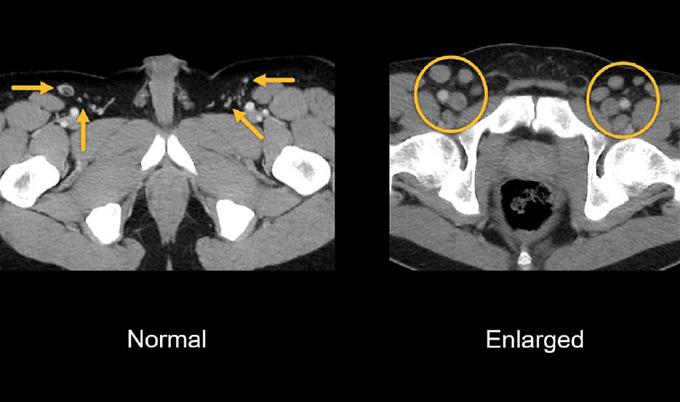
If you’ve noticed a lymph node swollen for years that hasn’t changed or caused other symptoms, you’re not alone. Many people experience chronic lymph node swelling that remains stable for months or even years without indicating cancer. Understanding why this happens can provide significant peace of mind.
Common Causes of Long-Term Benign Lymph Node Swelling
Several non-cancerous conditions can cause lymph nodes to remain enlarged for extended periods:
- Previous infections: After fighting significant infections (like mononucleosis or severe strep throat), some lymph nodes never return to their original size. They remain slightly enlarged but stable as a remnant of past immune activity.
- Chronic inflammatory conditions: Autoimmune diseases like rheumatoid arthritis, lupus, or Sjogren’s syndrome can cause persistent lymph node enlargement that waxes and wanes with disease activity.
- Reactive lymphoid hyperplasia: A benign condition where lymph nodes remain in a state of heightened activity, staying enlarged without malignant changes. This commonly occurs in people with allergies or frequent infections.
- Lipomas or cysts: Sometimes what feels like a swollen lymph node is actually a benign fatty tumor (lipoma) or fluid-filled cyst in the same general area.
Characteristics of Stable, Non-Cancerous Lymph Node Swelling
Long-term benign lymph node swelling typically has these reassuring features:
- Stable size: Hasn’t changed noticeably over months or years of observation
- Soft or rubbery texture: Not rock-hard or progressively hardening
- Mobile: Still moves freely under the skin when manipulated
- No accompanying symptoms: No fever, night sweats, unexplained weight loss, or fatigue
- Symmetrical pattern: May be present on both sides of the body in similar locations
When Long-Standing Swelling Requires Investigation
Even if a lymph node has been swollen for years without concern, certain changes warrant medical evaluation:
- Sudden size increase: Any rapid enlargement after years of stability
- Texture change: Becoming harder, more fixed, or developing irregular borders
- New symptoms: Development of B symptoms (fever, night sweats, weight loss)
- Additional nodes: New swollen nodes appearing in other locations
- Growing concern: Increasing anxiety affecting your quality of life
How to Monitor Chronic Lymph Node Swelling
If you have a lymph node that’s been swollen for years and your doctor has deemed it non-concerning, here’s how to continue monitoring it safely:
- Monthly self-checks: Examine the node at the same time each month to track any changes
- Measure and document: Use your fingers to estimate size and note any changes
- Photo documentation: Consider taking photos from the same angle to objectively track any visual changes over time
- Annual physician evaluation: Have your doctor examine it during your yearly physical
- Baseline imaging consideration: Comprehensive body scanning can provide a baseline measurement for future comparison, offering peace of mind and objective monitoring
The Role of Advanced Imaging in Long-Standing Cases
For lymph nodes that have been swollen for extended periods, advanced imaging offers several benefits:
- Establishes baseline: Provides precise measurements and internal characteristics for future comparison
- Rules out concerning features: Can detect internal characteristics that physical examination cannot assess
- Reduces anxiety: Objective evidence that nothing concerning is developing can provide significant peace of mind
- Guides surveillance: Helps determine appropriate monitoring frequency based on node characteristics
If you’ve been living with a lymph node swollen for years and want definitive reassurance, MRI imaging can provide detailed internal assessment that physical examination alone cannot offer.
Advanced Detection Methods for Peace of Mind
When you’re facing the uncertainty of swollen lymph nodes, advanced imaging provides the clarity you need to move forward confidently. Modern diagnostic technology has revolutionized how we evaluate concerning symptoms, offering precise, non-invasive ways to distinguish between benign and serious causes.
How Craft Body Scan Technology Identifies Concerns Early
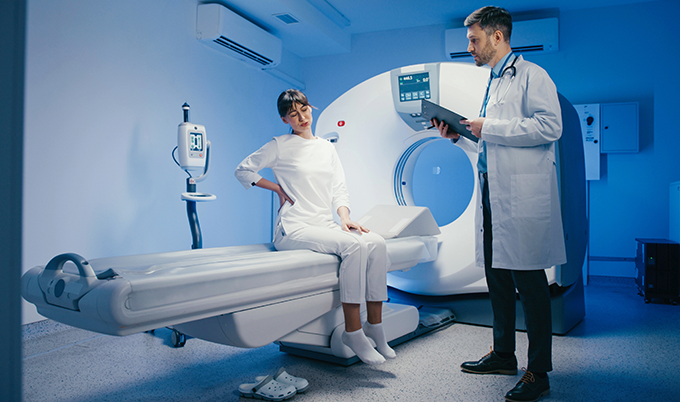
Our comprehensive imaging approach uses state-of-the-art CT and MRI technology to evaluate lymph node characteristics that physical examination alone cannot assess. Here’s what makes our approach uniquely effective:
Advanced CT imaging reveals lymph node size, density, and internal structure with remarkable precision. This technology can detect:
- Subtle size changes that might not be apparent during physical examination
- Internal characteristics that distinguish reactive (inflammatory) nodes from potentially cancerous ones
- Relationships between lymph nodes and surrounding structures
Whole-body MRI scanning provides unparalleled soft tissue contrast, allowing detailed evaluation of:
- Lymph node architecture and signal characteristics
- Multiple node regions simultaneously for comprehensive assessment
- Early changes that might indicate developing problems
Integration with clinical evaluation combines imaging findings with your symptoms, medical history, and physical examination for the most complete picture possible.
The advantage of this comprehensive approach becomes clear when you consider the limitations of waiting and watching. By the time lymph nodes become obviously enlarged or symptomatic, any underlying condition has had weeks or months to progress. Early imaging catches subtle changes when intervention is most effective.
What to Expect During Your Scan
Our imaging process prioritizes both accuracy and your comfort throughout the experience:
- Preparation requirements are minimal: No fasting, contrast restrictions, or complicated protocols.* Simply wear comfortable clothing without metal components.
- The scanning process typically takes 45 minutes for comprehensive evaluation. You’ll lie comfortably while our advanced equipment creates detailed images of your lymphatic system and surrounding structures.
- Immediate peace of mind comes from knowing you’re getting answers rather than continuing to wonder. Our board-certified radiologists review your images promptly, providing detailed reports about any findings.
- Clear next steps follow every scan. Whether your results show normal findings, benign changes, or areas requiring further evaluation, you’ll have a clear path forward.

Taking Control of Your Health Journey
The decision to pursue advanced screening represents a fundamental shift from reactive to proactive healthcare. Instead of waiting for symptoms to worsen or hoping problems resolve on their own, you’re choosing to gather the information needed for informed health decisions.
This approach aligns with current medical understanding about cancer outcomes: earlier detection consistently improves treatment success rates and reduces the invasiveness of required interventions. When we identify concerning changes in their earliest stages, treatment options remain broad, and outcomes remain optimistic.
Consider the alternative – continuing to monitor symptoms while uncertainty affects your daily life. The emotional toll of not knowing often exceeds any temporary discomfort from pursuing definitive answers.

Your Next Steps for Lymph Node Health
We’ve covered the critical information you need about cancer swollen lymph nodes: the warning signs that require attention, what swollen lymph nodes feel like in different situations, why some nodes stay enlarged for years without cancer, and the advanced detection methods that provide definitive answers. Now it’s time to apply this knowledge to your specific situation.
Remember these key takeaways: persistent, painless, firm lymph node swelling warrants professional evaluation. Multiple concerning characteristics – like continued growth, hard texture, or accompanying symptoms – increase the urgency for investigation. Advanced imaging technology can distinguish between benign and serious causes, providing the clarity needed for confident health decisions.
The choice you face is straightforward: continue wondering about concerning symptoms or take decisive action to get definitive answers. Every day spent in uncertainty is a day that could be better spent either enjoying peace of mind or beginning appropriate treatment if needed.
Take control of your health with Craft Body Scan preventive health screenings. Our comprehensive imaging technology and experienced medical team provide the answers you need to move forward confidently. Schedule your scan today – your future self will thank you for taking this proactive step toward better health outcomes.
* Traditional colonoscopies require fasting, prep and recovery time, while virtual colonoscopies require a much smaller, less disruptive amount of prep, with zero recovery time.