When it comes to your health, waiting for symptoms to appear could mean missing your chance to catch a serious condition early. Many illnesses—including cancer, dementia, and heart disease—begin silently, developing without noticeable signs until it’s too late for simple treatment. That’s why MRI early detection has become a crucial tool in proactive healthcare.
Using powerful imaging technology, MRI scans can reveal issues inside the body long before they turn into emergencies. Here’s how this approach can be life-saving.
What Is MRI Early Detection?
MRI, or Magnetic Resonance Imaging, uses strong magnetic fields and radio waves to generate detailed images of internal organs, tissues, and even blood vessels. Unlike X-rays or CT scans, MRIs do not use radiation, making them safe for routine or annual scanning.
Here’s how MRI early detection helps identify health threats before symptoms appear:
- Finds early-stage tumors that are often invisible to other tests.
- Reveals structural changes in the brain linked to neurological conditions like dementia.
- Detects abnormalities in the heart and arteries before symptoms like chest pain or shortness of breath.
- Spots hidden damage in organs such as the liver, kidneys, or pancreas.
MRI isn’t just for people already diagnosed—it’s for anyone who wants to stay ahead of serious illness.
How Accurate Is MRI in Detecting Cancer?
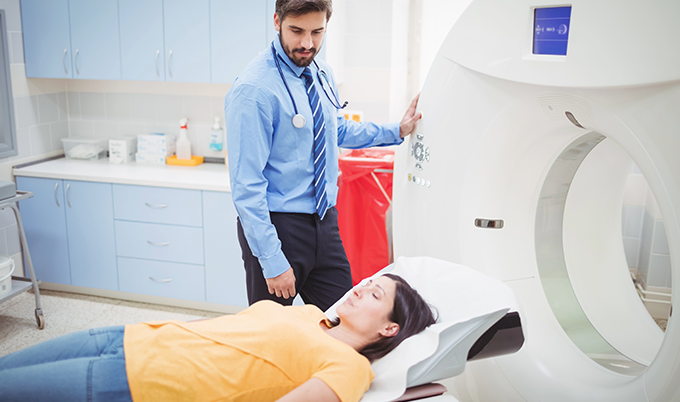
When it comes to catching cancer early, MRI is one of the most accurate tools available. It can detect a wide range of cancers—such as breast, brain, liver, and prostate—while they are still small and localized.
If you’re wondering how accurate is MRI in detecting cancer, here’s what studies show:
- Breast MRIs can detect up to 90% of early-stage cancers, especially in people with dense breast tissue or genetic risk.
- Prostate MRIs help avoid unnecessary biopsies by identifying only clinically significant tumors with high precision.
- Brain MRIs can pick up tumors before they press on surrounding structures or cause symptoms like headaches or seizures.
Because MRI creates such high-resolution images, it’s often the preferred tool when doctors need to see “more” than what blood tests or physical exams can reveal.
.
MRI for Early Diagnosis of Neurological Disorders
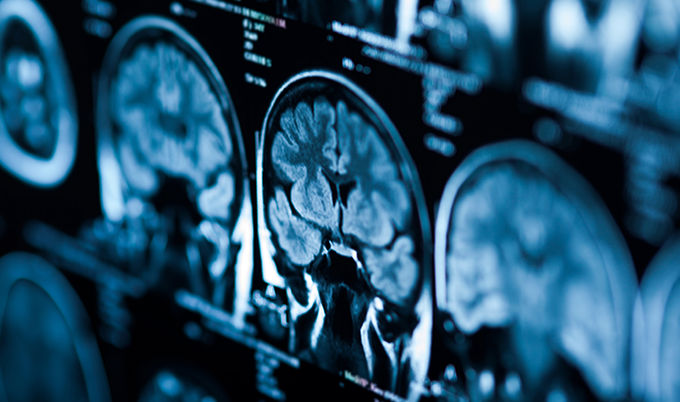
Brain scans aren’t only for emergencies—they’re also valuable for detecting subtle neurological changes that could lead to cognitive decline. MRIs are especially useful for identifying early signs of dementia, often years before memory problems begin to show.
Early signs of dementia MRI scans may reveal include:
- Shrinking in the hippocampus, the brain’s memory center
- Abnormal white matter signals linked to vascular dementia
- Structural brain changes consistent with Alzheimer’s disease
Using an MRI for early diagnosis means that patients can begin medication, lifestyle adjustments, or therapy much sooner—potentially slowing down the progression of dementia and improving long-term outcomes.
Early diagnosis can also help families plan care, legal, and financial decisions while the individual still has the ability to actively participate.
The Hidden Dangers MRI Can Reveal
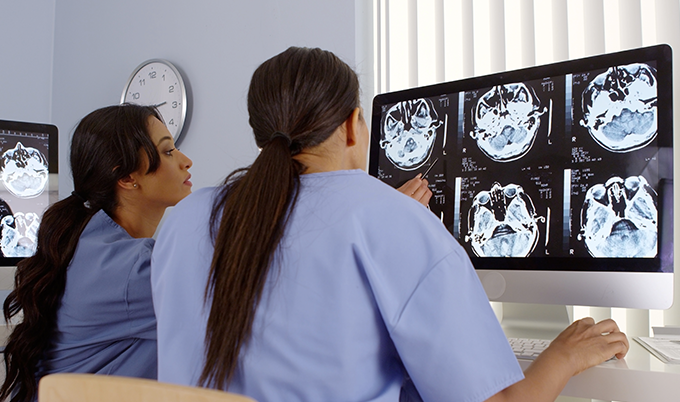
Some of the most dangerous conditions show no symptoms at all—until it’s too late. These “silent killers” often progress in the background while a person feels perfectly fine.
MRI early detection is effective at spotting these types of threats:
- Aneurysms, which can rupture suddenly and without warning
- Liver disease, which may cause no symptoms until organ failure begins
- Coronary artery blockages, which can lead to sudden heart attacks
- Tumors, especially in the pancreas, lungs, or kidneys, that grow without pain or obvious signs
In each of these cases, early detection through MRI offers the best chance at successful intervention.
Who Should Consider an MRI for Early Diagnosis?
MRI early detection isn’t just for those with known health problems. It’s for anyone who wants to stay ahead of their health and avoid surprise diagnoses.
You might benefit from early MRI scans if:
- You’re over 40 and interested in proactive, preventative care
- You have a family history of cancer, stroke, or Alzheimer’s
- You’ve experienced unexplained fatigue, headaches, or memory issues
- You’re health-conscious and want a full internal picture for peace of mind
With no radiation and no downtime, MRIs are a safe and effective way to monitor your health over time.
Is It Worth the Cost?
While some people hesitate to invest in a preventive MRI scan, it’s important to weigh that cost against the expense—and emotional toll—of catching an illness too late.
Consider:
- The cost of late-stage cancer treatment can be 10–20 times the cost of an MRI.
- The burden of emergency surgeries or ICU care is far greater than that of early outpatient treatment.
- Delays in diagnosing brain conditions can reduce the time available for meaningful care and planning.
Ultimately, early detection is not just about saving money—it’s about extending quality of life and preserving choices.
How MRI Compares to Other Imaging Tools for Early Detection
When considering early detection, it’s important to understand how MRI compares to other imaging methods like CT scans, X-rays, and ultrasounds. Each has its strengths, but MRI offers unmatched clarity and detail for certain health concerns.
Here’s how MRI stacks up against other tools in early diagnosis:
- MRI vs. CT Scan: CT scans use radiation and are faster, but they’re typically less detailed for soft tissue. MRI provides better imaging of the brain, spinal cord, joints, and organs—especially when detecting cancer or neurological conditions.
- MRI vs. X-Ray: X-rays are good for bones but offer limited information about soft tissues. They also can’t detect early organ or brain issues.
- MRI vs. Ultrasound: While ultrasounds are safe and cost-effective, they are highly operator-dependent and don’t provide the deep internal detail that MRIs can.
For comprehensive, high-resolution imaging without radiation, MRI remains the gold standard—particularly when early detection is the goal.
What to Expect During a Preventive MRI Scan
If you’ve never had an MRI before, the process might sound intimidating—but it’s actually quite simple, painless, and non-invasive.
Here’s what typically happens during a Craft Body Scan MRI appointment:
- Preparation: You’ll be asked to remove metal jewelry and change into a gown. There’s no need to fast or adjust your medications unless advised.
- The Scan: You’ll lie comfortably on a table that slides into the MRI machine. You’ll hear loud tapping or humming sounds—that’s just the magnet at work. Earplugs or headphones are provided.
- Timeframe: Most full-body scans take 30–60 minutes, depending on the number of areas being scanned.
- After the Scan: There’s no recovery time needed. A specialist will review the images, and results are usually available within a few days, along with a personalized action plan if anything needs further attention.
Patients often leave feeling empowered—with more insight into their health than ever before.
Why Choose Craft Body Scan?
At Craft Body Scan, we specialize in early detection through MRI technology. Our team includes board-certified physicians and radiology specialists dedicated to helping you uncover issues before they become emergencies.
What makes us different:
- Cutting-edge MRI equipment with ultra-high image quality
- Fast appointment scheduling—no referrals required
- Expert analysis from medical specialists
- Personalized scan reviews and action plans
We’re not just here to perform a scan—we’re here to guide you to the next step with clarity and care.
Take the Next Step Toward Proactive Health

Too many people wait until symptoms appear before they take their health seriously. MRI early detection allows you to take control, get ahead of illness, and make informed decisions about your future.
Whether you’re concerned about cancer, brain health, or just want to avoid hidden threats, Craft Body Scan is ready to help.
Book your MRI early detection scan today—and take the first step toward peace of mind.