We see how most people think about their health. They wait for pain or symptoms before they do anything. But the truth is, some of the most dangerous conditions in your abdomen are completely silent until they’re not.
We spend our days looking at abdominal CT scans, and we can tell you this – the patients who do best are the ones who catch problems early. Before they’re sick. Before the pain starts. Before they’re losing weight and wondering why.
Think of a full-body CT scan like getting a real look at what’s going on, specifically inside your belly. Sometimes everything looks great. Sometimes we find issues you need to deal with before they become bigger problems.
Why Doctors Order These Things
Here’s what bugs us – most people think we only do scans when something’s already wrong. That’s backwards thinking. We’re trying to catch the problems that are starting but haven’t announced themselves yet.
Pancreatic cancer’s a perfect example. People call it the silent killer, right? That’s because by the time you feel sick, it’s often too late. But we can see changes in the pancreas on CT scans months before you’d ever feel anything. Same deal with liver problems, kidney issues, those aneurysms you hear about on the news.
Your body’s terrible at giving you early warnings. We’ve seen this enough times to know that sometimes the first “heads up” you get is a trip to the emergency room.
Doctors order these scans for all kinds of reasons. Maybe you’ve got belly pain that doesn’t add up after the physical exam. Could be we’re following up on something we spotted before or checking how your treatment’s going. Lots more doctors are doing preventive scans now, especially if your family’s got a history of cancer. Then there’s the emergency stuff – appendicitis, bowel blockages, internal bleeding – where we need to know what’s happening right now. And sometimes surgeons just want a detailed road map before they operate.
What Actually Happens During Your Scan
The prep work involved depends on what kind of scan you’re getting. Usually, you’ll need to stop eating for four to six hours before, as an empty stomach gives us clearer pictures. You might need to drink contrast material too – a bottle or two spread out over an hour or so.
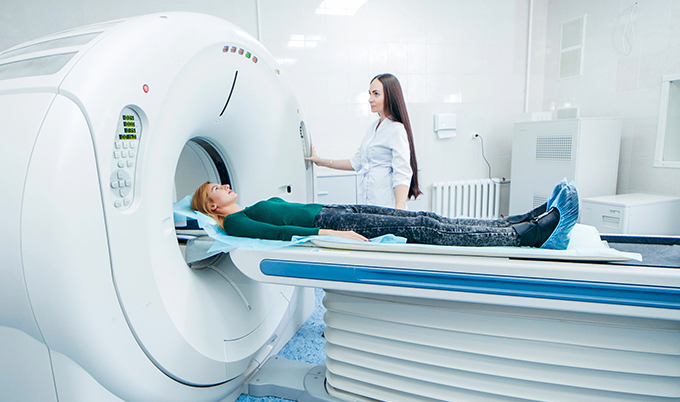
The actual scanning is pretty simple. You lie on a comfortable motorized table, usually on your back. If you need IV contrast, we’ll start an IV line. During the scanning, you’ll need to hold your breath for maybe ten to fifteen seconds at a time while the machine takes pictures. The table slides you through what looks like a big donut – that’s the scanner.
Here’s the thing that surprises most people: the whole appointment takes maybe thirty to forty-five minutes, but you’re only actually being scanned for five to ten minutes. Most of your time is just getting ready. You’ll hear some mechanical noises – kind of reminds us of a really expensive washing machine – but there’s no pain at all.
What We’re Looking for When We Read Your Scan
Modern scanners are incredible. We can see abnormalities that are just a few millimeters in size. When we sit down to read your scan, we’re basically doing a complete tour of your abdomen.
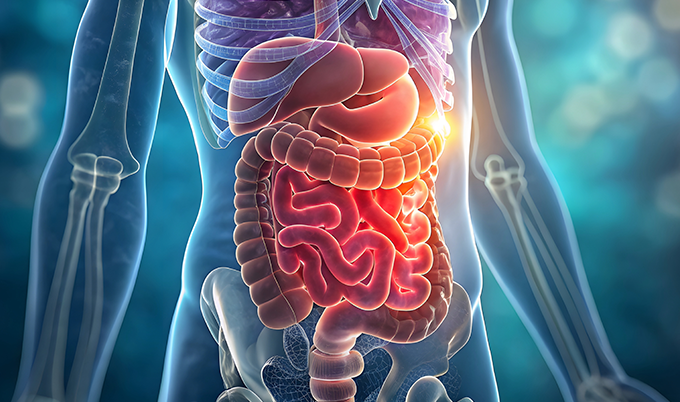
We start with your liver, checking for tumors, cysts, fatty changes, signs of cirrhosis. The pancreas gets a thorough look for cancer, inflammation, any fluid collections that shouldn’t be there. Your kidneys are evaluated for stones, tumors, cysts, and we can actually see how well they’re working. The spleen gets checked for size changes or masses, and your gallbladder for stones, inflammation, or growths.
Then we focus on your blood vessels, which is huge. Your aorta – the main artery in your abdomen – gets scrutinized for aneurysms, tears, or narrowing. We look at your portal vein for clots or compression, and all your kidney vessels for blockages.
But that’s not all. We’re also examining your lymph nodes for swelling that might indicate infection or something more serious. Your intestines get checked for blockages or inflammatory conditions. We look for any fluid collections where there shouldn’t be any, and we can see changes in your spine and ribs.
Every scan tells a story. Sometimes it’s boring – everything looks perfectly normal. Other times, we find things that need attention. But we always tell our patients: finding something early gives you options. Finding it late limits them.
Understanding Your Abdominal CT Scan Results
After your scan, one of us sits down and goes through every single image. Takes us about a day or two for regular scans. If it’s urgent, we drop everything and read it right away.
Most of the time, everything looks normal. That’s actually the outcome we’re hoping for. Normal means no tumors, organs are where they should be and the right size, blood vessels look good, no stones hanging around. Pretty boring, but boring is good when it comes to medical scans.
Sometimes we find stuff though. Don’t freak out if we do – that’s literally why you got the scan in the first place. Could be kidney stones that just need you to drink more water. Maybe some liver cysts that are totally harmless. Gallbladder polyps that a surgeon should peek at. Lymph nodes that look bigger than usual. Things that need a closer look.
The point is, finding something early beats finding it late every single time.
Money Talk
Costs are kind of all over the place, depending on where you go. Hospital? It could be a lot. Craft Body Scan? Much lower.
Insurance gets complicated. They’ll usually cover it if your doctor orders it because something’s wrong. Preventive stuff? Often comes out of your pocket. But think about what you spend on other things. Some people drop more than this on a weekend trip.
Should You Get A CT Scan?
The choice is yours, but waiting around for your body to tell you something’s wrong isn’t really a strategy.
Cancer caught early versus cancer caught late? Completely different ball game. Pancreatic cancer in stage one gives you actual options. Stage four? Not so much. Liver problems found early can often be fixed. Found late, you’re looking at managing them instead of curing them.
You’ve got some control here. Your body doesn’t send you a text when cancer starts growing or when blood vessels start having problems. These things happen quietly until they don’t.
Family history of cancer? That matters. Weird symptoms that don’t make sense? Worth checking out. Blood work that raised some eyebrows? Follow up on it. Getting older and want to know what’s going on? Makes sense.
The technology’s here. We know what to look for. Question is whether you want to use it or keep wondering.
What’s The CT Scanning Process Actually Like?
People ask us this stuff all the time, so here’s the real deal:

| Time commitment | Total visit about 40 minutes. In scanner about 10 minutes. Rest is prep. |
|---|---|
| Contrast drink | Artificial berry or vanilla. Not great, not terrible. |
| During the scan | No sensation unless IV contrast. If IV contrast, brief metallic taste or warm feeling. Breath holds about 15 seconds when prompted. Comfortable table. |
| Claustrophobia | Open design like a big donut. Head stays out. |
| Accuracy | Findings down to a few millimeters. Very small items may need follow up. |
| Fasting | Four to six hours before the scan. Water and regular meds are fine. |
| If something is found | Many findings are minor. Some need watching or simple treatment. Early detection gives options. |
| Radiation | About the same as three years of natural background exposure. Modern scanners use lower doses. |
| Results | Routine in one to two days. Emergency reads happen right away. Report sent to your doctor who follows up with you. |
| Multiple scans | Fine when medically needed. Never done without a reason. |
Visit Craft Body Scan for Peace of Mind
We’re not going to pressure you. Your health, your choice. But we see enough scans to know that waiting for symptoms isn’t always the best plan.
Numbers don’t lie. Early detection changes outcomes. Sometimes dramatically. Your body’s not going to announce when problems start developing. That’s just not how it works.
Want to get this done? Schedule a scan with us today. We’ll explain everything, answer whatever questions you have, help you figure out if it makes sense for you. No sales pitch, just information.
Because five years from now, you’re either going to be glad you checked things out, or you’re going to wish you had.