

Can you get a full body scan? Yes — and you don’t need a doctor’s referral to do it. At Craft Body Scan, patients schedule their own scans every day, on their own timeline, at their own initiative. If you’ve been waiting for a physician to bring it up first, you may be waiting longer than you need to.
Most adults assume full body scans are something ordered during a hospital stay or after a concerning blood result. In reality, the best time to get scanned is before anything concerning shows up — when treatment options are widest and outcomes are best. Here’s what a full body scan actually does, who it’s right for, and how to book yours.
What Is a Full Body Scan?
A full body scan is a non-invasive imaging procedure that gives physicians a detailed look at your body’s internal anatomy — from chest to pelvis — without surgery, needles, or contrast dye. At Craft Body Scan, we use low-dose Computed Tomography (CT) technology that captures high-resolution images a radiologist can review for early signs of disease.
The scan covers your cardiovascular system, lungs, abdomen, and pelvic region. In a single session, a board-certified radiologist can examine your heart, lungs, liver, spleen, kidneys, pancreas, gallbladder, spine, and major arteries — structures that are otherwise invisible without imaging.
This is different from a basic annual physical. Blood pressure readings and cholesterol panels tell part of the story. A full body scan tells the rest.
What Does a Full Body Scan Detect?
The range of what a full body scan can identify is significant. Because the imaging covers multiple organ systems in one session, it can flag conditions that have no outward symptoms yet — the ones that tend to catch people off guard.
- Heart disease and arterial calcification — coronary artery calcium scoring identifies plaque buildup before a cardiac event occurs, giving patients and physicians a clear picture of cardiovascular risk. Learn more about common causes of heart disease and what imaging reveals.
- Lung nodules and early cancer markers — low-dose CT is highly effective at detecting small pulmonary nodules that could indicate early-stage lung cancer, particularly in current or former smokers.
- Aortic aneurysms — dangerous expansions in the aorta often produce no symptoms until rupture. Imaging is the only reliable way to catch them early.
- Abdominal abnormalities — kidney stones, liver cysts, an enlarged spleen, fatty liver disease, enlarged lymph nodes, and large abdominal masses all show clearly on CT imaging.
- Bone and structural findings — the scan can also track the size of a tumor, reveal spinal abnormalities, and show bone fractures or muscle inflammation that aren’t otherwise detectable.
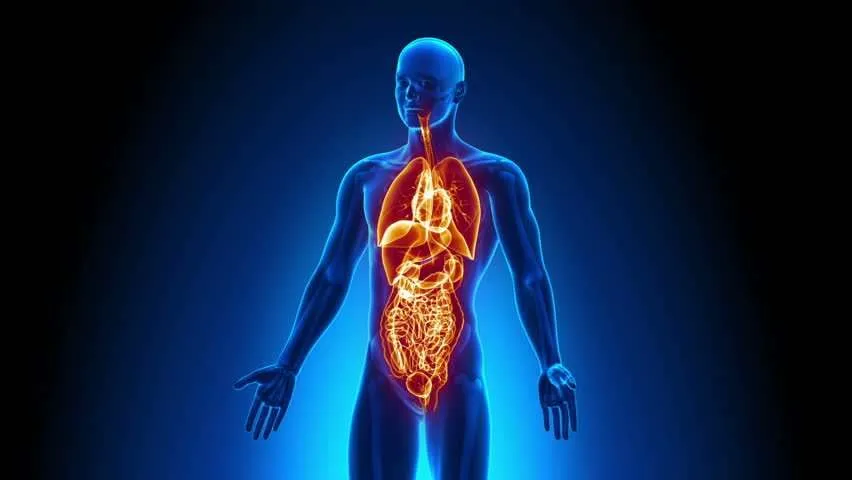
What Gets Scanned — Explore Each System
What CBS looks for
- Coronary artery calcium (CAC) score — measures plaque buildup before a cardiac event occurs
- Arterial calcification and vessel wall changes
- Pericardial abnormalities and fluid around the heart
- Heart size and structural irregularities
- Early signs of atherosclerosis invisible on a standard physical
What CBS looks for
- Pulmonary nodules — small growths that may indicate early-stage lung cancer
- Emphysema and early COPD changes in lung tissue
- Pleural effusion (fluid around the lungs)
- Enlarged lymph nodes in the chest cavity
- Incidental masses or consolidations requiring follow-up
What CBS looks for
- Liver cysts, masses, and fatty liver disease
- Kidney stones, cysts, and renal masses
- Pancreatic abnormalities and early lesions
- Gallbladder disease and gallstones
- Enlarged spleen and lymph node abnormalities
- Pelvic organ findings including prostate enlargement
What CBS looks for
- Aortic aneurysms — dangerous expansions that produce no symptoms until rupture
- Aortic diameter measurement across thoracic and abdominal segments
- Arterial wall calcification and vascular disease
- Iliac artery abnormalities in the pelvic region
- Structural changes that indicate elevated rupture risk
What CBS looks for
- Spinal abnormalities including compression fractures
- Bone density indicators and osteoporosis-related changes
- Tumor size tracking and osseous lesions
- Muscle inflammation and soft tissue masses along the spine
- Vertebral alignment and degenerative changes
Ready to see every one of these systems? A full body CT scan covers all five in a single 10-minute session — no referral needed.
Why Full Body Scans Are Critical for Early Detection
People lose their lives to heart disease and cancer not because treatment doesn’t exist — but because the disease wasn’t found in time. Many of the most serious conditions develop silently. There are no warning signs until the condition has progressed significantly.
Research confirms that early detection dramatically increases survival rates across virtually every major disease category. Full body scans use advanced imaging technology that identifies signs of abnormality long before physical symptoms appear. That window between discovery and symptoms is where the most effective treatment happens.
There is also a practical reality worth acknowledging. Many people have family members who died from conditions like heart attacks or strokes that might have been identified and managed years earlier. A full body scan isn’t a guarantee. But it gives you and your physician more information to work with, at the time when that information can actually change outcomes.
Three specific benefits that consistently come up among our patients:
- Risk factor identification — scans look for the underlying conditions that make a person vulnerable to serious disease, not just symptoms that have already appeared.
- Catching problems before they escalate — body scans can identify abnormalities and address disease before it progresses to a point where treatment options narrow significantly.
- Earlier intervention, better results — conditions detected in their early stages can often be treated with far less invasive procedures than those caught later.
Who Should Get a Full Body Scan?
You don’t have to be symptomatic to benefit from preventive imaging — that’s the whole point. The candidates who gain the most from a full body scan are people who carry elevated risk, whether from genetics, lifestyle, or age.
Consider getting scanned if any of the following apply to you:
- Family history of coronary artery disease or aneurysms — if a close relative has experienced either condition, your risk is meaningfully higher than average.
- Overweight or physically sedentary — both factors place significant strain on cardiovascular and metabolic systems that may not produce symptoms for years.
- Age 40 or older — the risk of serious disease increases substantially after 40, making this the age where many people start regular preventive screening.
- High cholesterol, diabetes, or high blood pressure — each of these conditions accelerates disease progression in ways that imaging can monitor and measure.
- Current or former smoker — even former smokers carry elevated lung cancer risk for years after quitting. One pack per day for 10 or more years is a standard screening threshold.
If you meet one or more of these criteria, a full body scan gives your physician a clear picture of how your organs are functioning and whether any concerns warrant closer attention.
Am I a Candidate for a Full Body Scan?
Select every risk factor that applies to you — we’ll tell you where you stand.
Check all that currently apply to you:
This tool is for informational purposes only and does not constitute medical advice. Always consult a qualified healthcare provider regarding your health decisions.
No referral. No waitlist. No guesswork. Book your scan directly — results from a board-certified radiologist, often the same day.
How to Book a Full Body Scan — No Referral Required
This is where many people get pleasantly surprised. You don’t need a doctor to refer you for a preventive body scan. At Craft Body Scan, you can schedule directly — no prescription, no insurance authorization, and no waiting on your primary care physician to bring it up at your next annual visit.
The process starts with a consultation where our team reviews your medical history and current health status. From there, you’re scheduled for your scan. The procedure takes around 10 minutes. Our low-dose scanner captures detailed images of your heart, lungs, and entire abdomen and pelvic area — including the liver, spleen, gallbladder, pancreas, spine, kidneys, and prostate gland.
After your scan, you receive a full written report. If your physician needs a copy, we send it directly to them.
If you’d like a broader look at your health beyond CT imaging, our whole-body MRI scan is also available without a referral. MRI uses no radiation and provides detailed soft tissue imaging that complements what CT scans capture. Many patients opt for both over time as part of an ongoing preventive health strategy.
Ready to get started? Schedule your full body scan and take the first step toward knowing what’s actually going on inside your body.
What to Expect During Your Scan
A full body scan is a painless, non-invasive procedure that takes about 10 minutes from start to finish. We don’t use contrast dye, iodine, or beta-blockers, which reduces the risk of side effects and makes the process straightforward for the vast majority of patients. Because the procedure does involve a small dose of radiation, it is not recommended for pregnant women.
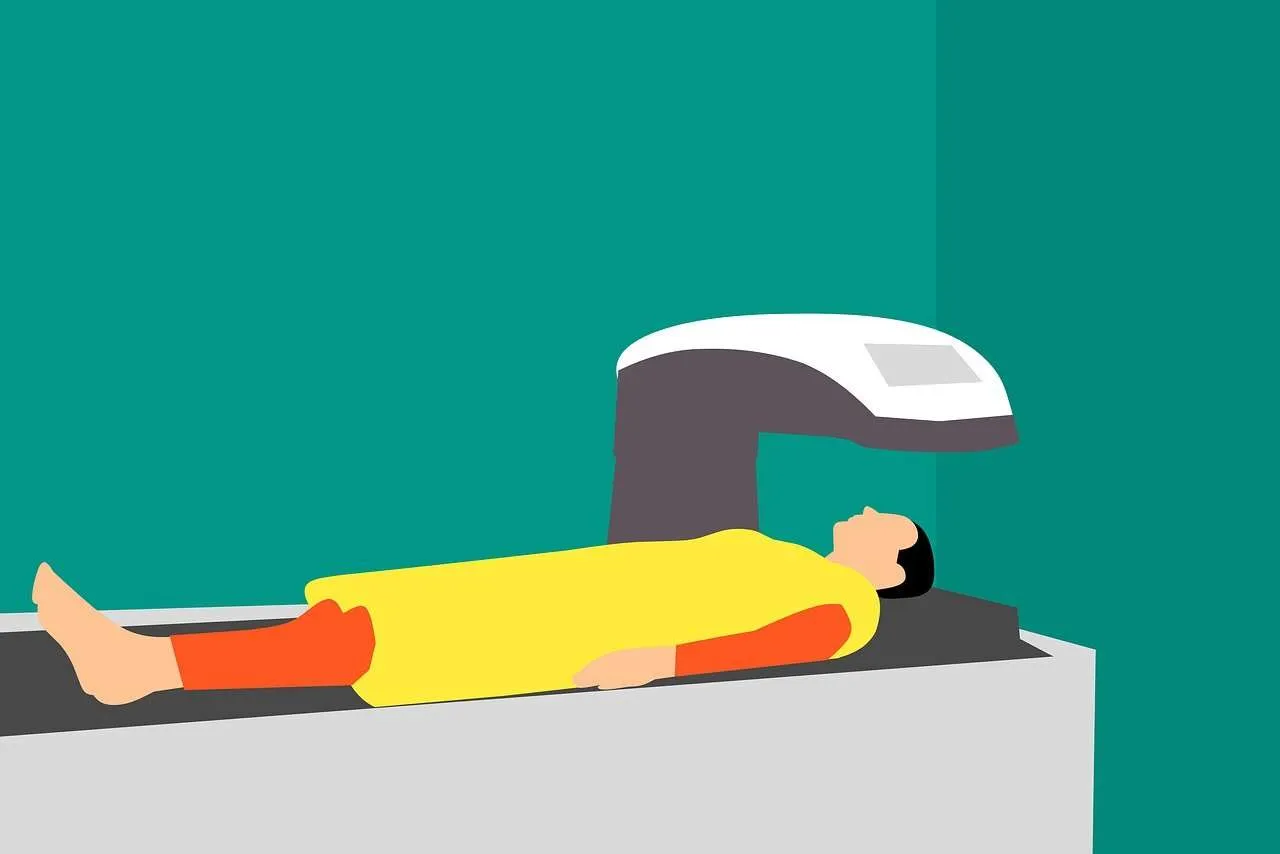
When you arrive for your scan, you’ll change into a hospital gown and remove any jewelry or accessories that could interfere with the imaging. You’ll then lie on a table that moves through the scanner while it captures images of your body’s internal structures. Those images are reviewed by board-certified radiologists and sent to you and your physician upon request.
Can You Get a Full Body Cancer Scan?
Yes, you can.
For individuals at elevated cancer risk, a full body scan can identify abnormalities that warrant closer investigation. Early identification of suspicious nodules, masses, or structural changes gives your physician the earliest possible window for follow-up testing and intervention.
Cancer often goes undetected until it has advanced significantly. Many early-stage symptoms — persistent fatigue, unexplained weight changes, a cough that won’t resolve — are easy to attribute to other causes. With a full body scan, your physician can see what’s present in your body regardless of whether symptoms have appeared.
If you have a family history of cancer or are at high risk, building annual body screening into your routine is a reasonable approach. If you’re unsure whether whole-body scanning is appropriate for your situation, our team can walk you through an individualized assessment and explain what the results would and wouldn’t tell you.
Full Body CT Scan vs. Whole-Body MRI
Our whole-body MRI screening is also available without a referral. MRI uses no radiation and provides detailed soft tissue imaging that complements what CT scans capture. Many patients opt for both over time as part of an ongoing preventive health strategy.
| Feature | Full Body CT Scan | Whole-Body MRI |
|---|---|---|
| Technology | Low-dose X-ray (CT) | Magnetic resonance imaging |
| Radiation | Yes (low dose) | None |
| Best For Detecting | Cardiovascular disease, lung nodules, abdominal abnormalities | Soft tissue detail, neurological conditions, muscle & joint structures |
| Scan Duration | ~10 minutes | 45–60 minutes |
| Referral Required | No | No |
| Contrast Dye | No (at Craft Body Scan) | No (standard screening) |
Schedule Your Full Body Scan at Craft Body Scan
Our goal at Craft Body Scan is to give you control over your health — proactive insight while you still have time to act on it, not just reactive care after something goes wrong.
We have scan centers across Oklahoma, Texas, Florida, North Carolina, Tennessee, and Ohio. If you’re searching for a full body scan near you, contact us directly to check availability at your closest location.
Call us at 918.879.6161 or email [email protected] to schedule your scan. Or explore your options online — from our standard full body CT scan to our whole-body MRI screening — and book the option that fits your health goals.
Note: Craft Body Scan conducts scans to detect abnormalities that may indicate a risk of heart disease or cancer. We do not diagnose medical conditions. Your physician uses scan results and radiologist notes to make a proper diagnosis and determine your care plan.
Schedule your Craft Body Scan today
Frequently Asked Questions
Can you get a full body scan without a doctor's referral?
Yes. At preventive imaging centers like Craft Body Scan, you can book a full body scan directly without a physician’s referral or prescription. You choose when to schedule and which type of scan fits your needs.
How much does a full body scan cost?
Costs vary depending on the type of scan and the facility. Craft Body Scan offers affordable preventive pricing, including promotional options for couples. Contact us at 918-879-6161 for current pricing at your nearest location.
Is a full body scan covered by insurance?
Most preventive full body scans are not covered by standard insurance plans because they are not ordered by a physician for a specific medical condition. They are self-pay procedures, which also means no prior authorization and no waitlists.
How often should you get a full body scan?
For individuals at elevated risk – due to age, family history, or lifestyle factors – annual scanning is a reasonable approach. Your physician can help determine the right frequency based on your health profile and any findings from a prior scan.
What is the difference between a full body CT scan and a whole-body MRI?
A full body CT scan uses low-dose X-ray technology and is highly effective for detecting cardiovascular disease, lung nodules, and abdominal abnormalities. A whole-body MRI uses magnetic resonance imaging with no radiation, offering detailed soft tissue views that complement CT findings. Many patients choose both over time as part of an ongoing preventive health routine.
How long does a full body scan take?
The scan itself takes approximately 10 minutes. No prep, no contrast dye, and no recovery time required. Most patients are in and out of the facility within an hour.